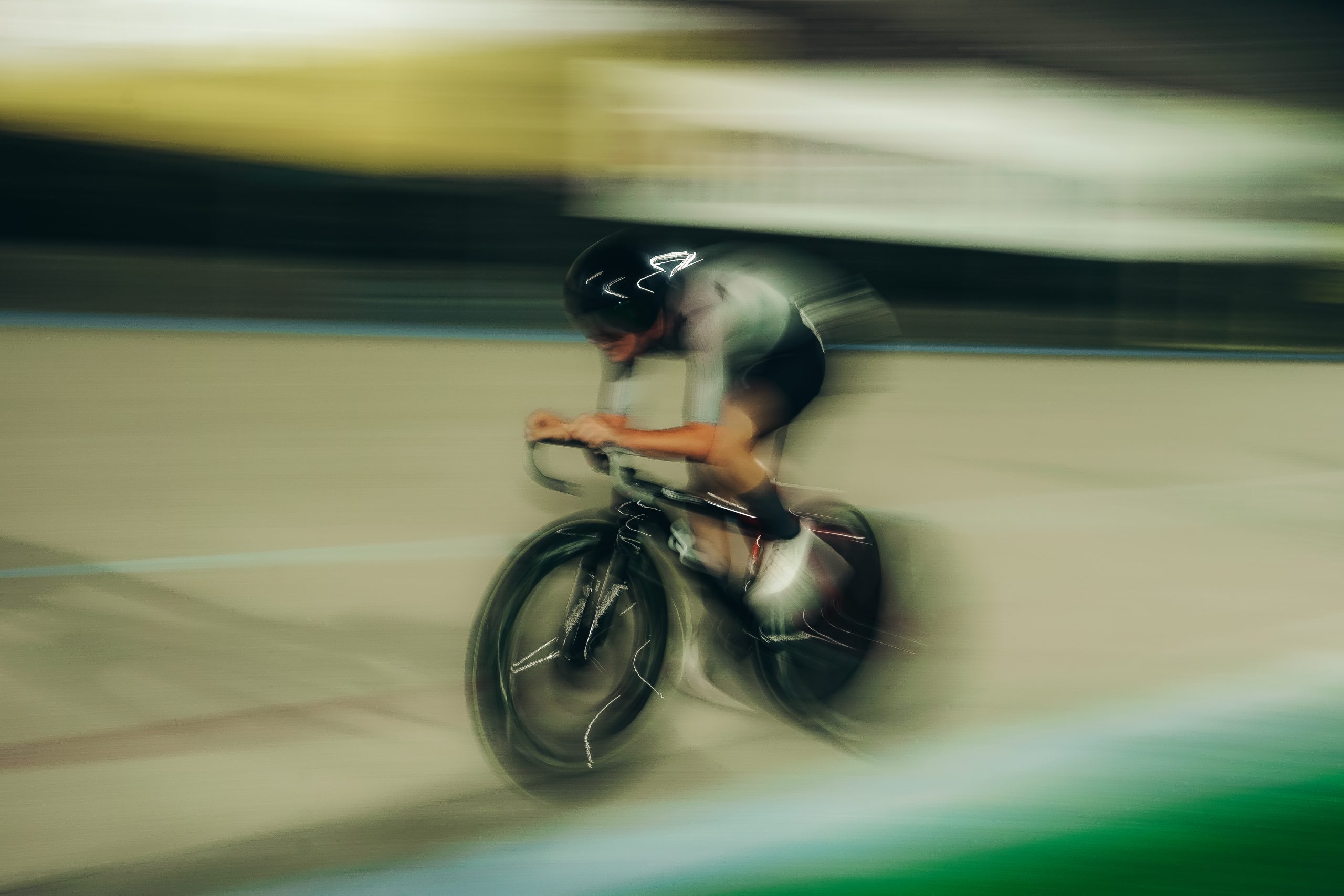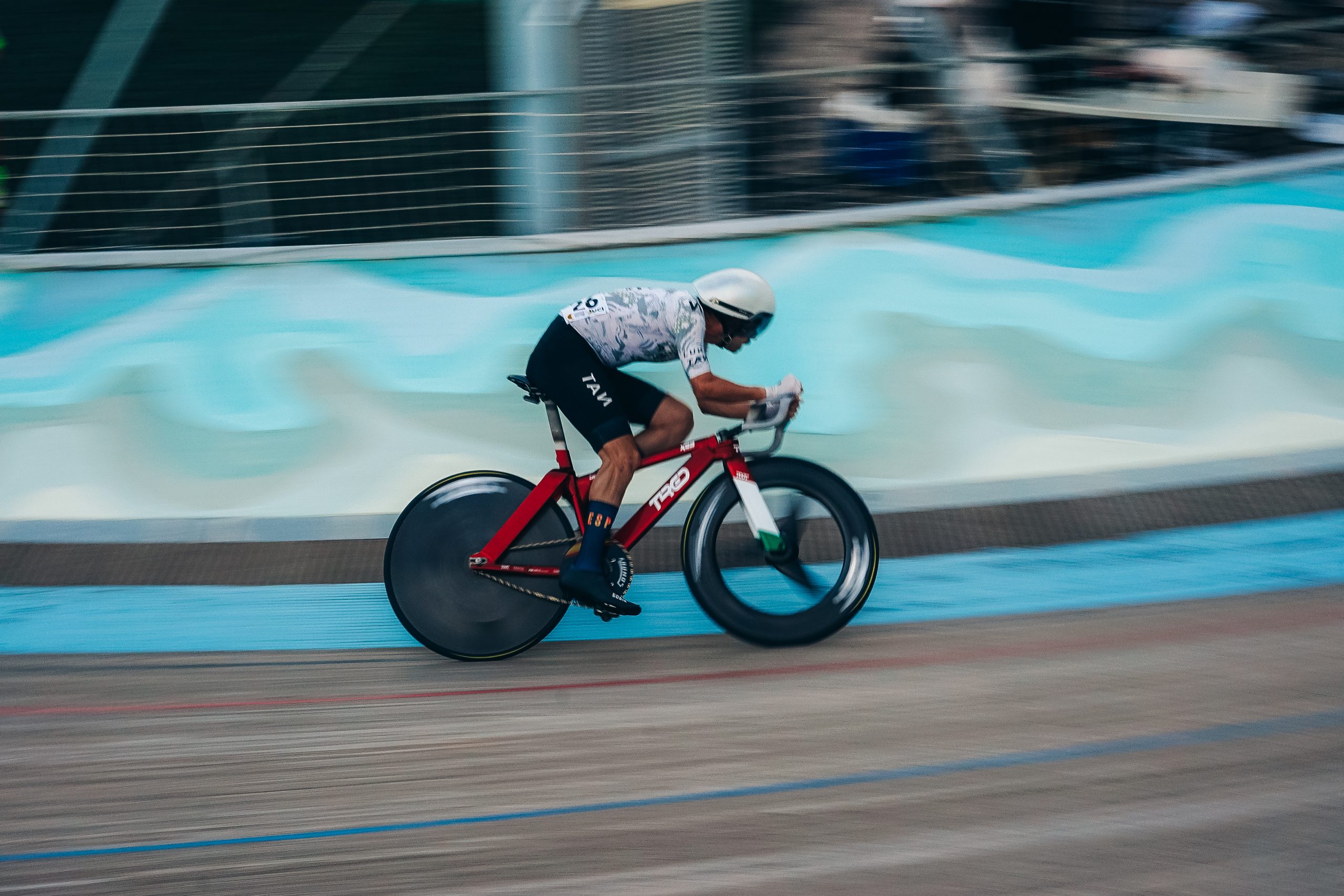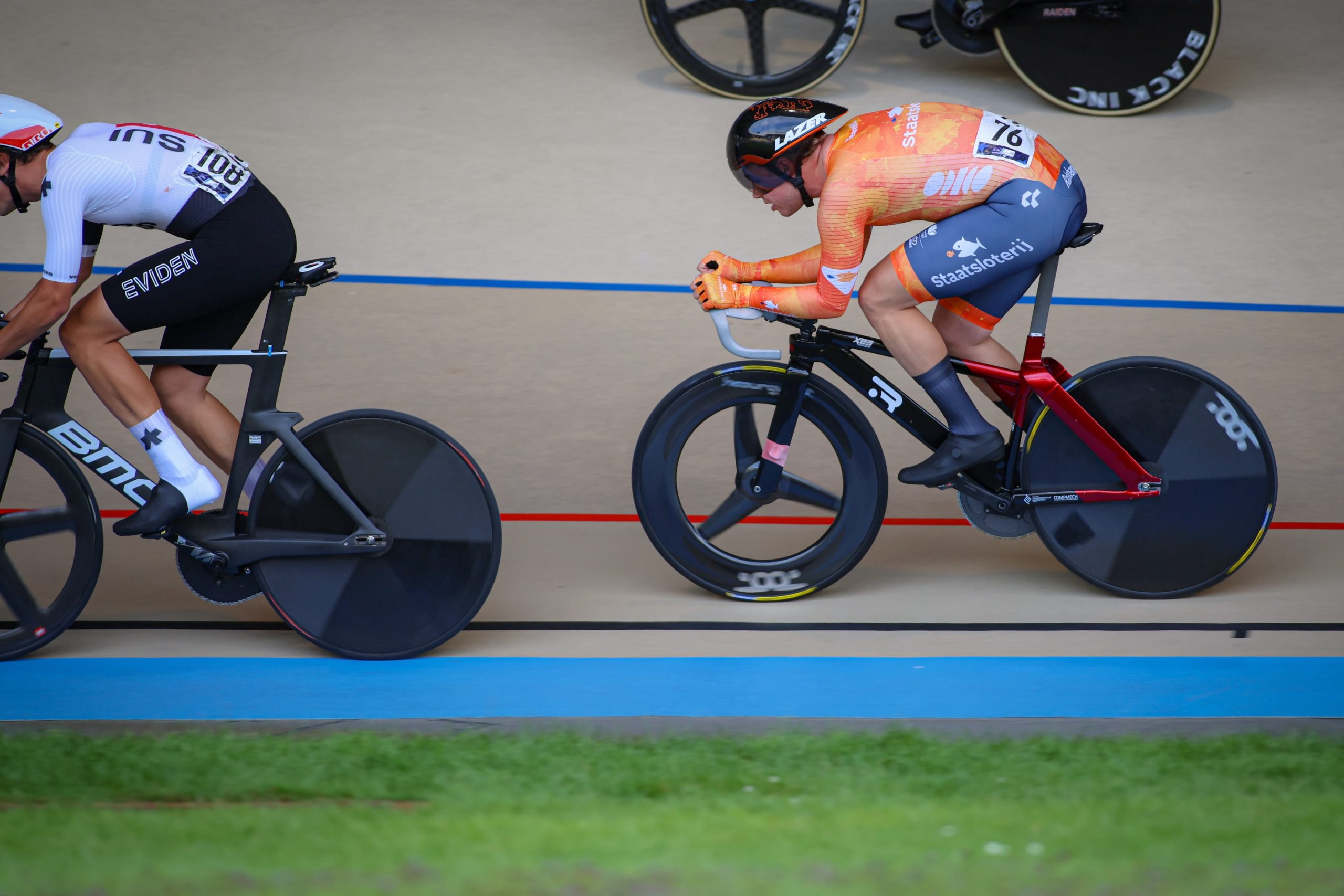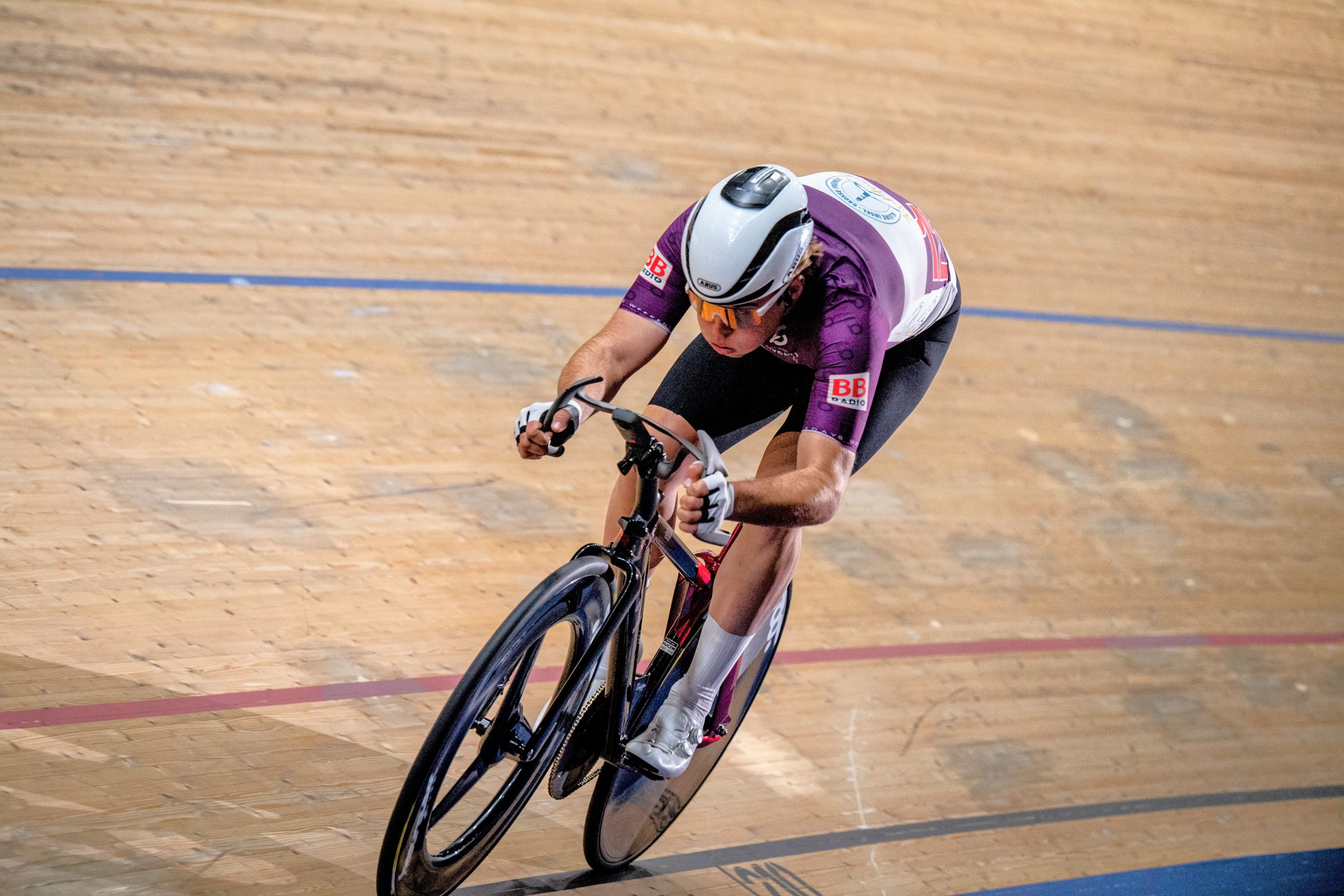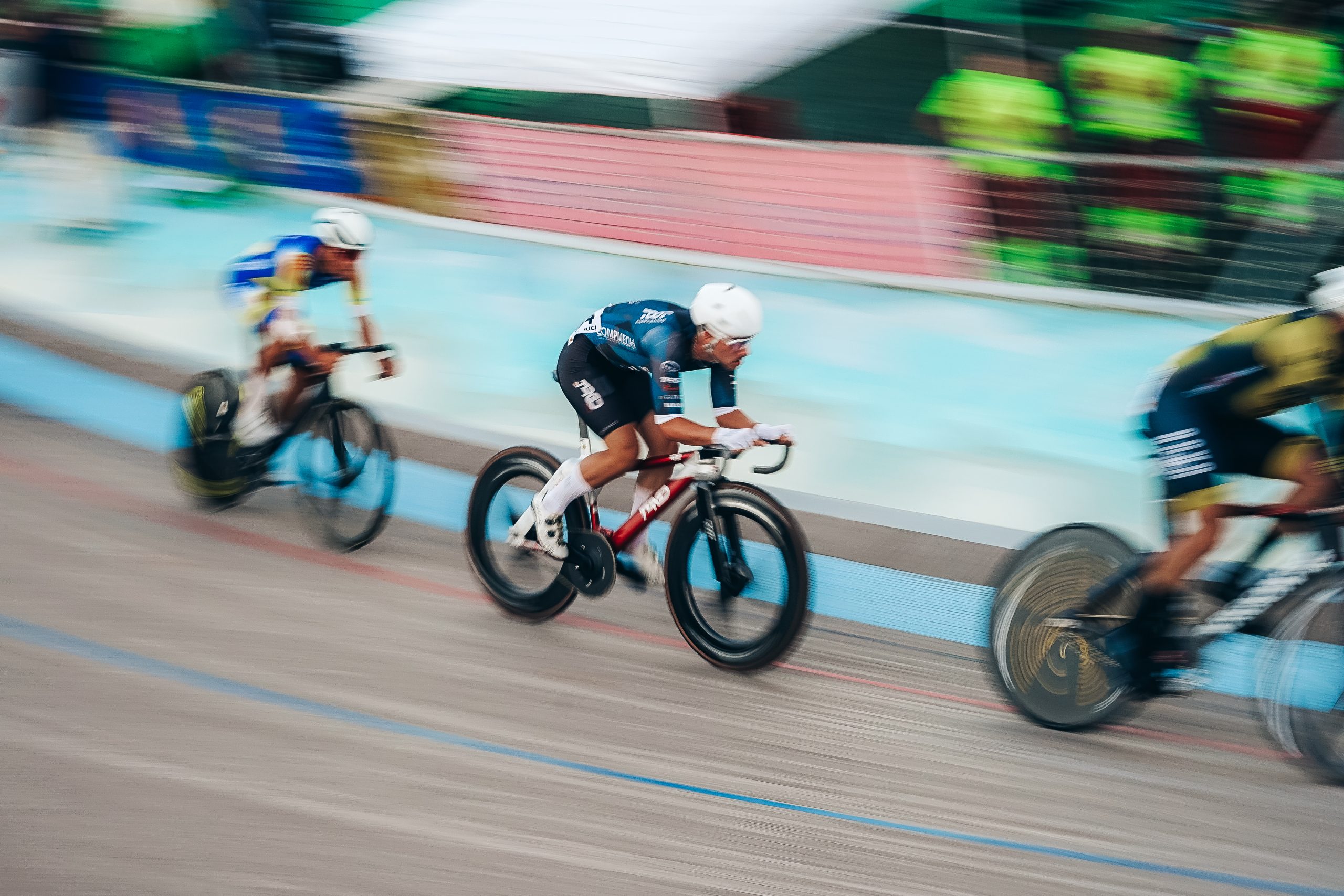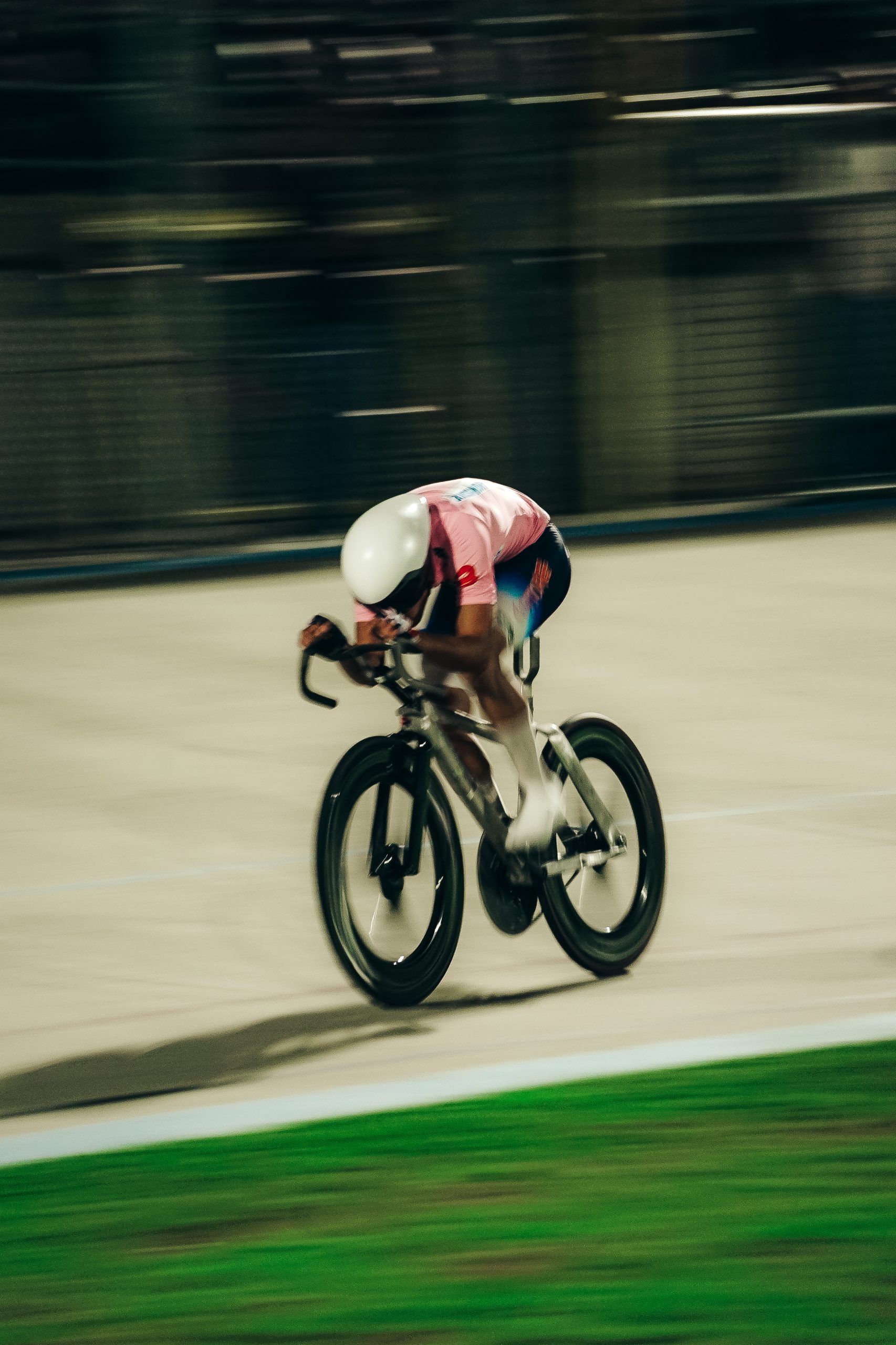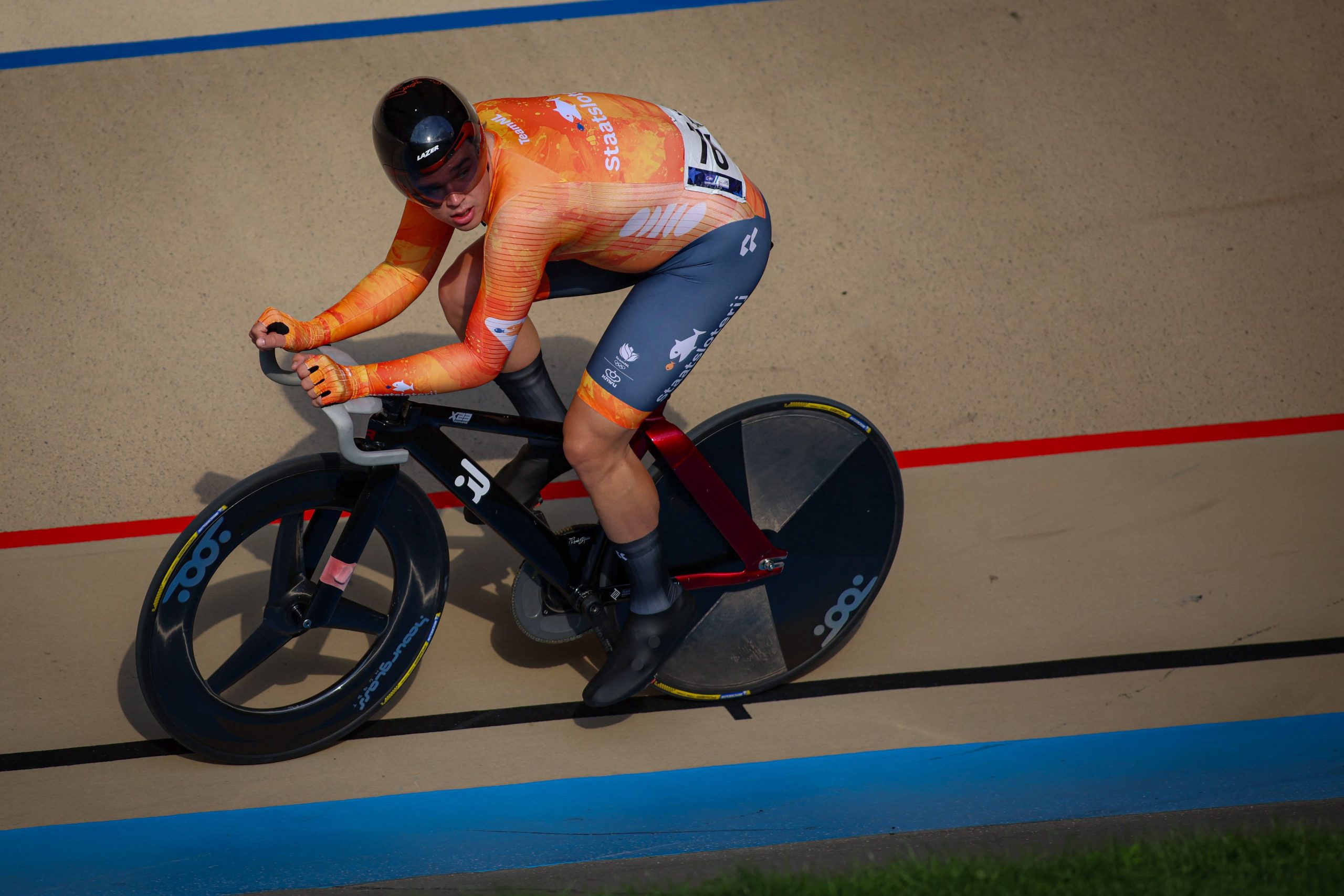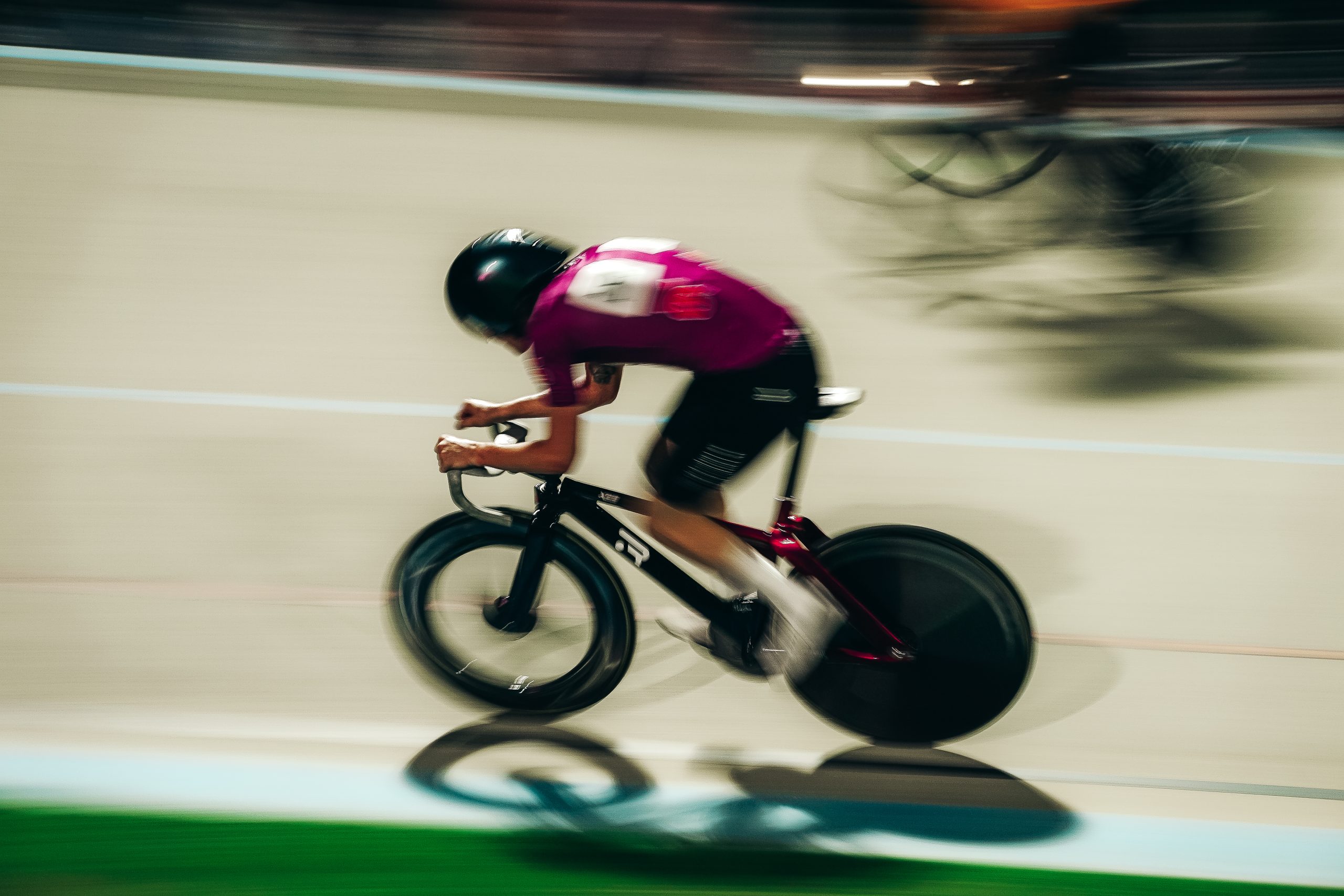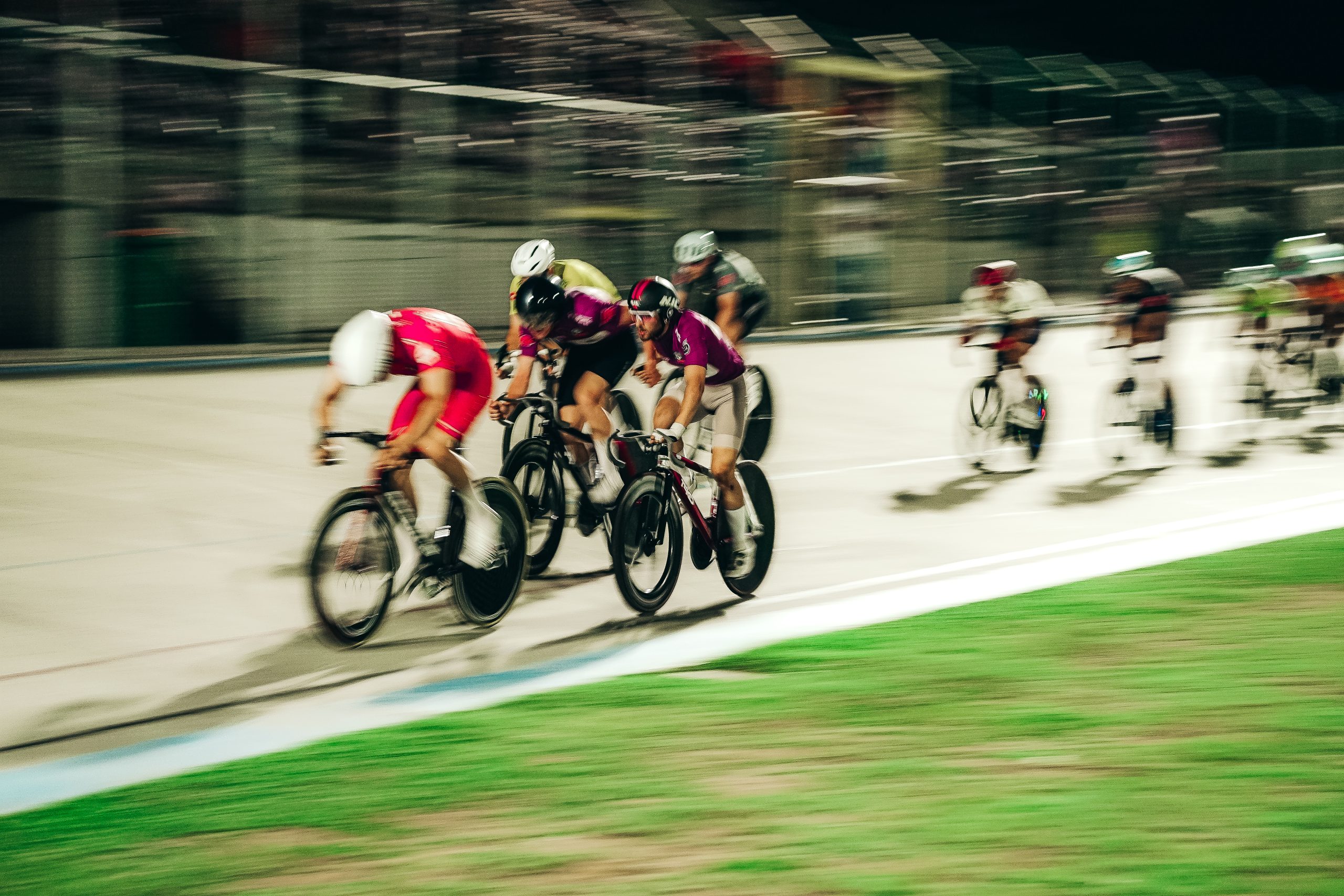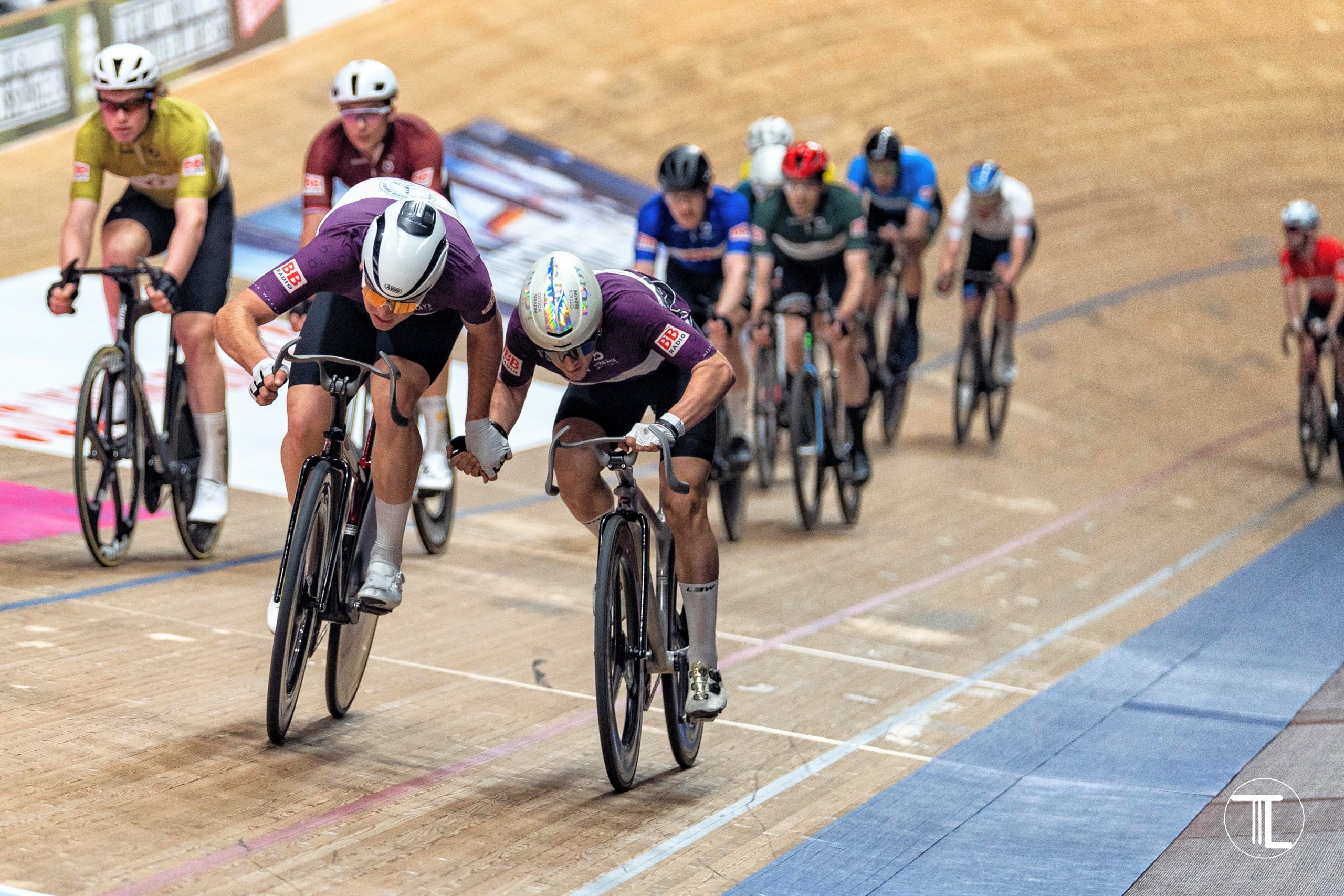


X23 EVOLUZIONE
The X23’s exceptional aerodynamic performance - the lowest CdA of any current track bike - isn’t where we started. It’s the inevitable result of our revolutionary approach.
We don’t design bikes and then try to make them aerodynamic. We design the perfect bike-athlete system, and exceptional aerodynamics naturally follow.
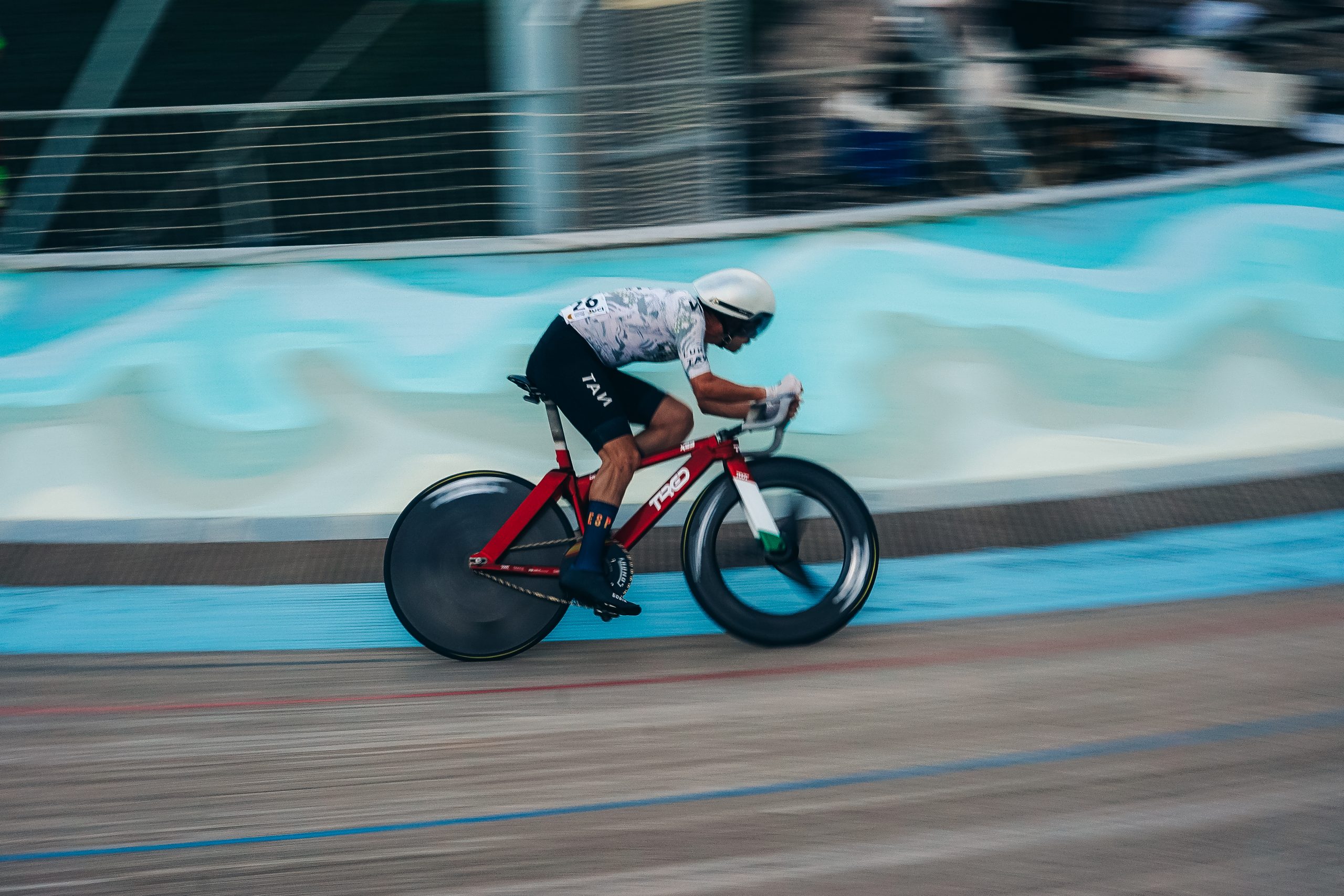
Be faster without marginal compromises.
This is where we stand alone. Incomparable. Inimitable.
The old school of "marginal gains" convinced cycling that chasing isolated CdA numbers was progress. But these theoretical optimizations collapse under real-world power demands. We design around your complete performance reality: your human engine's power signature and your body's natural aerodynamic potential.
A bike optimized around a static wind tunnel position is useless if you can't sustain that position at race power. We design around your dynamic equilibrium at maximum effort, where efficiency and aerodynamics unite as a single, sustainable performance system.
A complex equation starting from the athlete.
The X23 embodies this radical approach in its very technical DNA:
Your human engine—how you generate power, deliver torque, maintain cadence under stress—becomes the foundation. Your bodywork—your natural aerodynamic profile at race intensity—becomes the aerodynamic target. The bike emerges from this reality, not from theoretical ideals.
This isn't customization. This is dynamic equilibrium engineering.
Every frame tube thickness responds to your real-world power transfer patterns. Every junction angle optimizes your body's airflow at race intensity. Every geometric parameter amplifies your natural dynamic equilibrium instead of forcing you into engineered schematizations.
The result: A human-machine complex that operates as a single, perfectly integrated system. Not theoretical perfection, but real-world dominance rooted in your unique athletic characteristics and sustained performance dynamics.
Aerodynamics is just a consequence.
The X23's exceptional aerodynamic performance—the lowest CdA of any current track bike—isn't where we started. It's the inevitable result of our revolutionary approach.
We don't design bikes and then try to make them aerodynamic. We design the perfect bike-athlete system, and exceptional aerodynamics naturally follow.
From adaptive to advanced technologies
The X23 applies this winning formula:
- 3D-printed components using aerospace-grade AlScaZir® (developed by Bianca Advanced Innovations in aerospace and motorsport industry)
- Precision-welded AlScaZir® tubes - our motorsport-derived superalloy
- Hand-welded assembly - no glues, no resins, no compromises
- Motorsport-level precision with aerospace-level materials.
Why not carbon frame? Ask to Ducati MotoGp
MotoGP bikes are aluminum. Formula 1 chassis are aluminum. The world's fastest machines choose metal for a reason.
While cycling chased carbon fiber fashion, we learned from motorsport and aerospace. When every millisecond matters, when forces are extreme, when reliability is non-negotiable aluminum superalloys deliver.
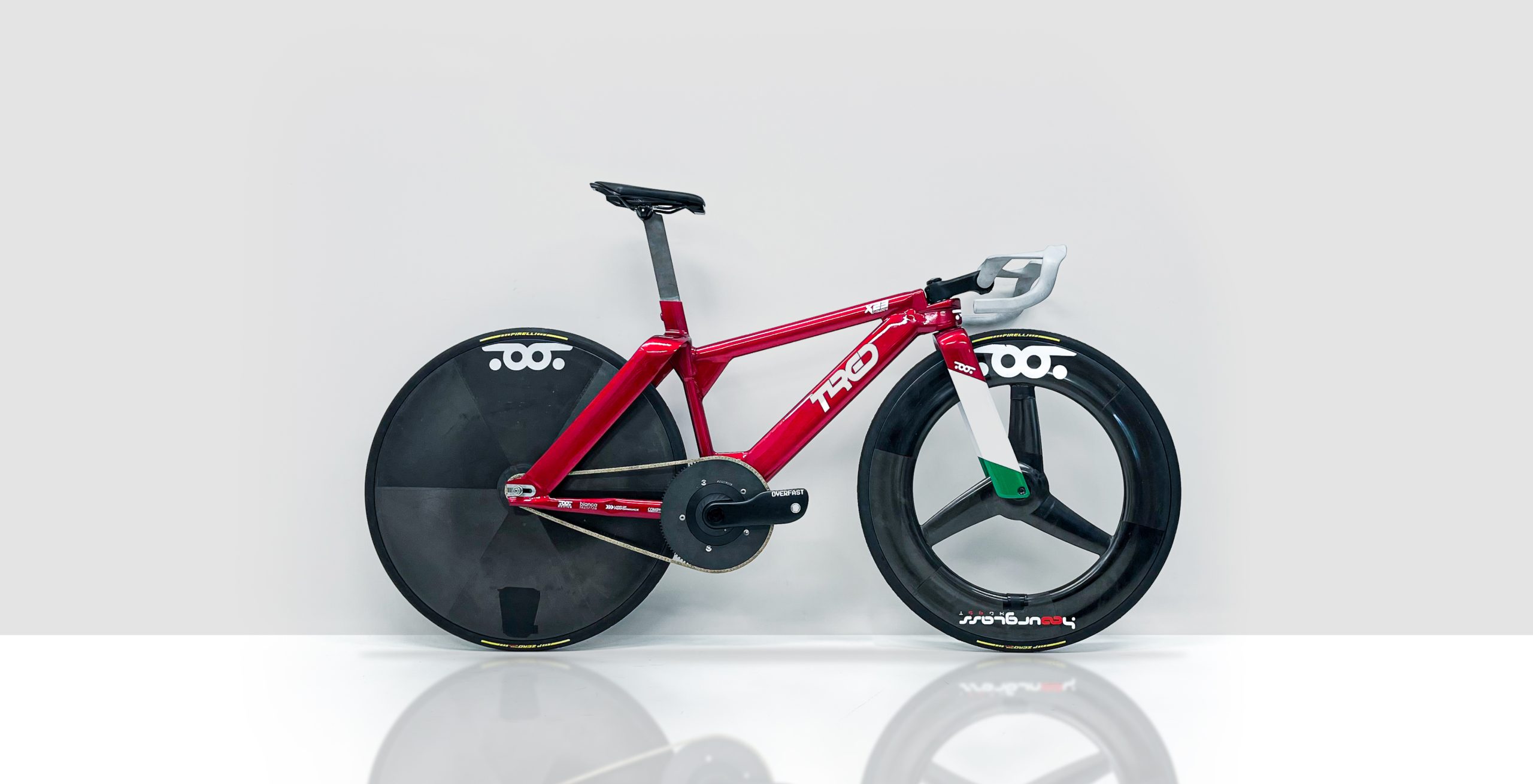
> BUNCH RACES
X23 EVOLUZIONE
OMNIUM
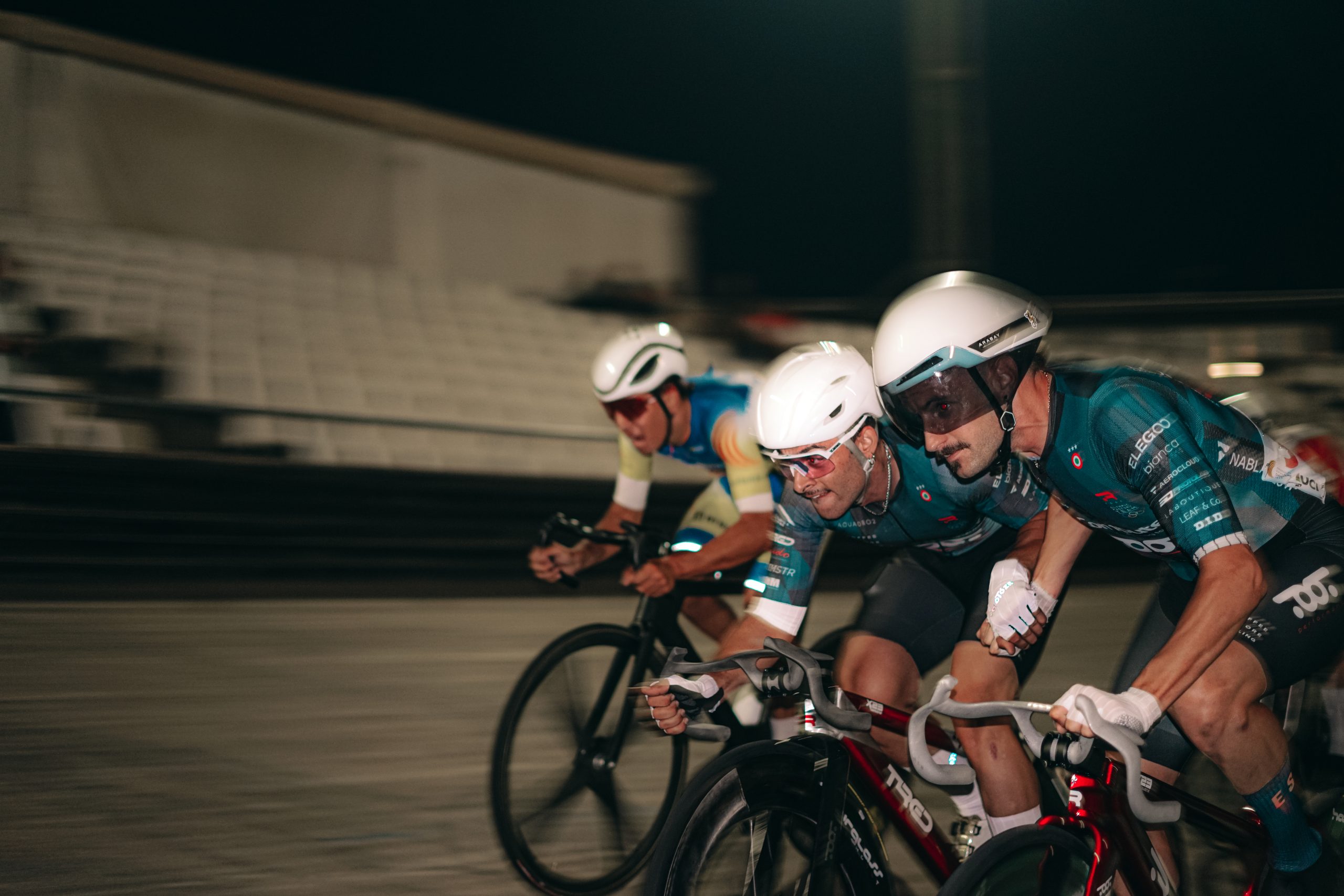
Four events. One afternoon. The points race arrives with your legs already spent.
This is the world-class build, and the one the independent track comparison was run on: lowest CdA of the group, best overall energy balance.
3D-printed AlScaZir® frameset. Hourglass wheelset, hollow disc at the rear and HG95T trispoke clincher at the front. TOOT Aero X OVERFAST track crankset, titanium axle, integrated power meter. Parametric HARPER cockpit.
It goes furthest with the KATHENEENA drivetrain: dedicated tools, nine metric development combinations, and gear changes you make yourself between heats.
For riders scored on the total of four.
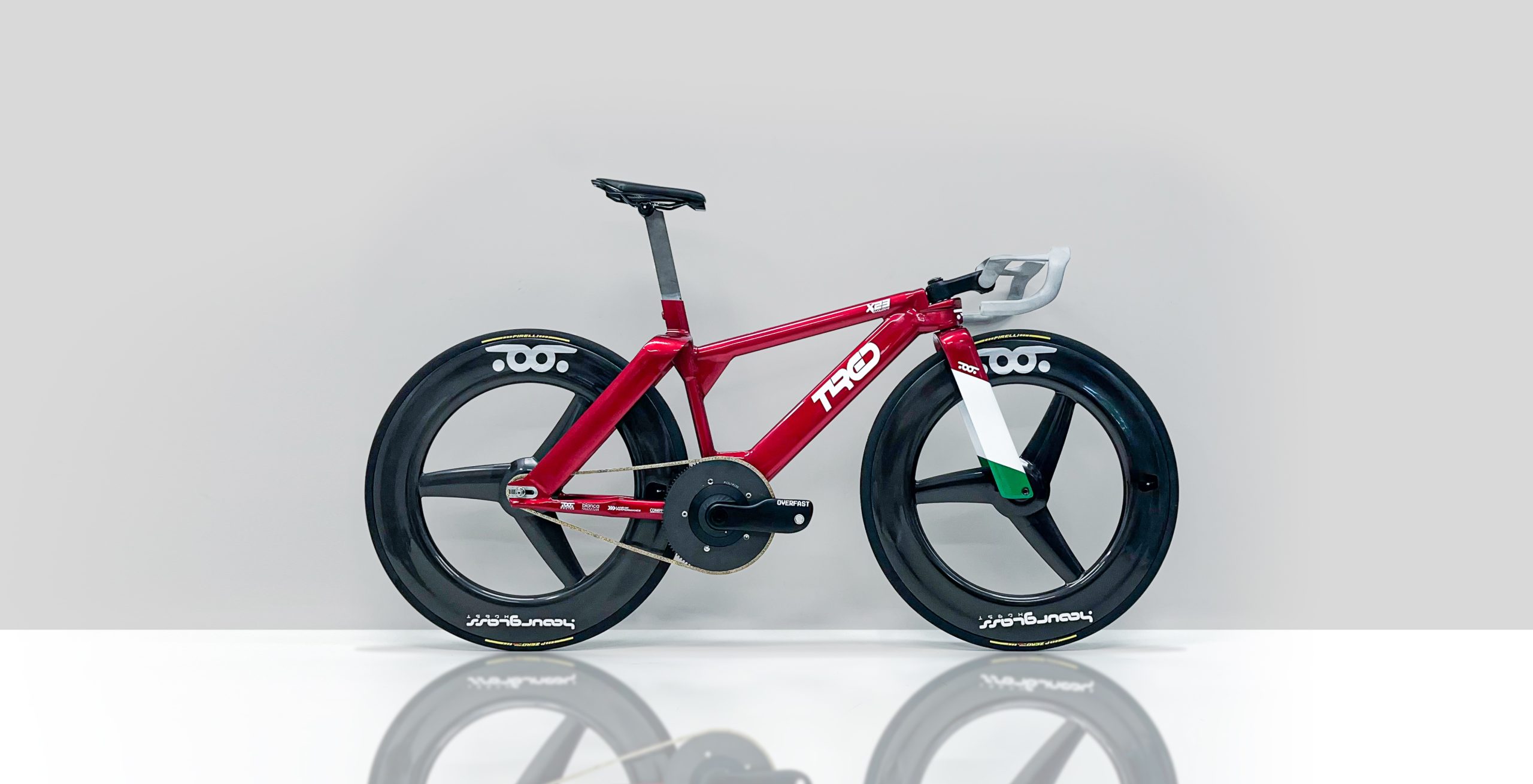
> BUNCH RACES
X23 EVOLUZIONE
SIXDAYS
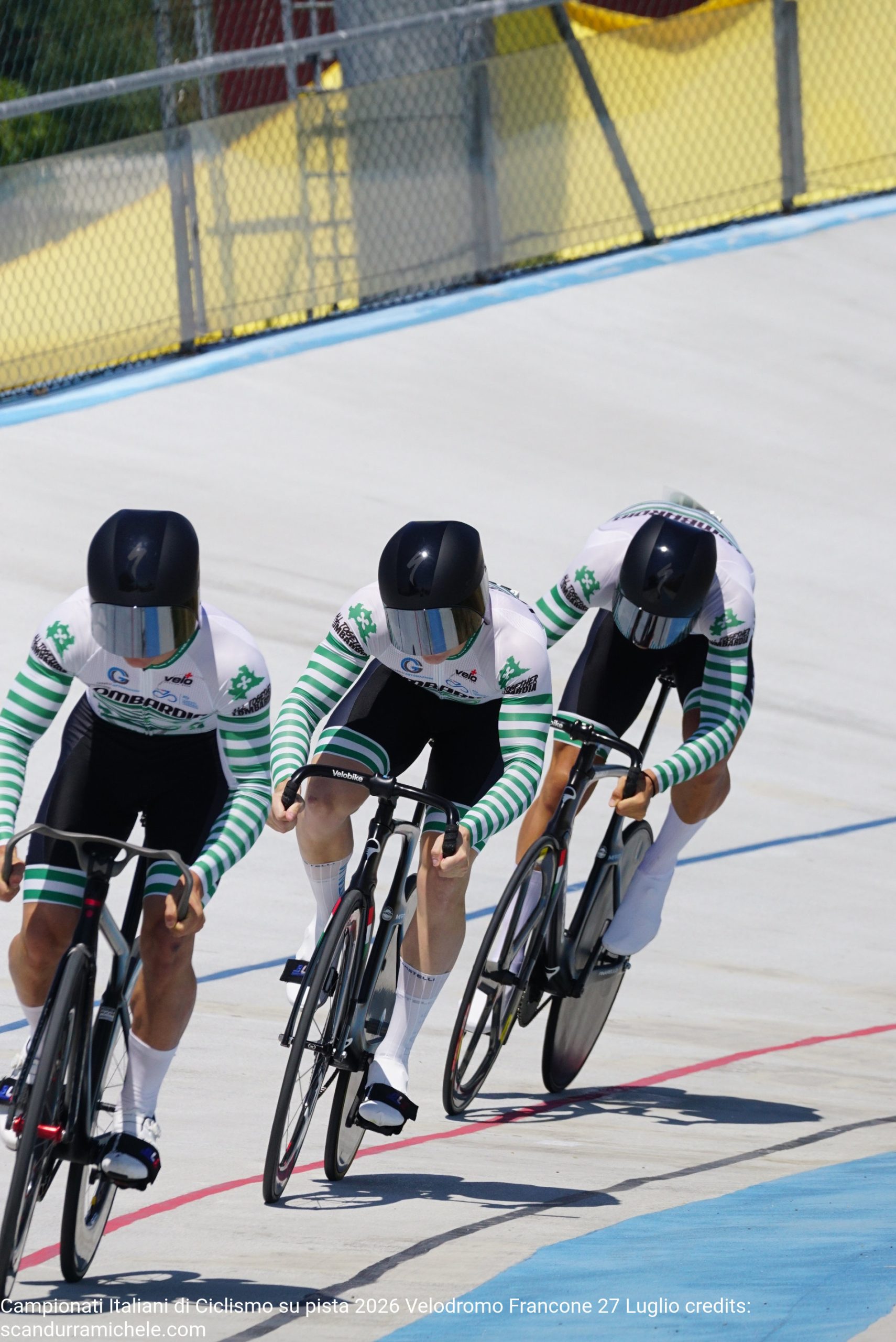
Six nights. A 166-metre track where the banking never lets go, or an open velodrome with wind coming across the home straight.
Same frameset as the OMNIUM build, with two changes that come from where these races are held.
Double HG95T trispoke, front and rear. It keeps the bike steady in the short velodromes, it answers in the wind outdoors, and it covers the tracks where a rear disc is not allowed.
Same crankset, standard TOOT drivetrain. Ratios change in minutes between heats, and neutral service can work on it without a conversation.
For riders who race in pairs, six nights running.
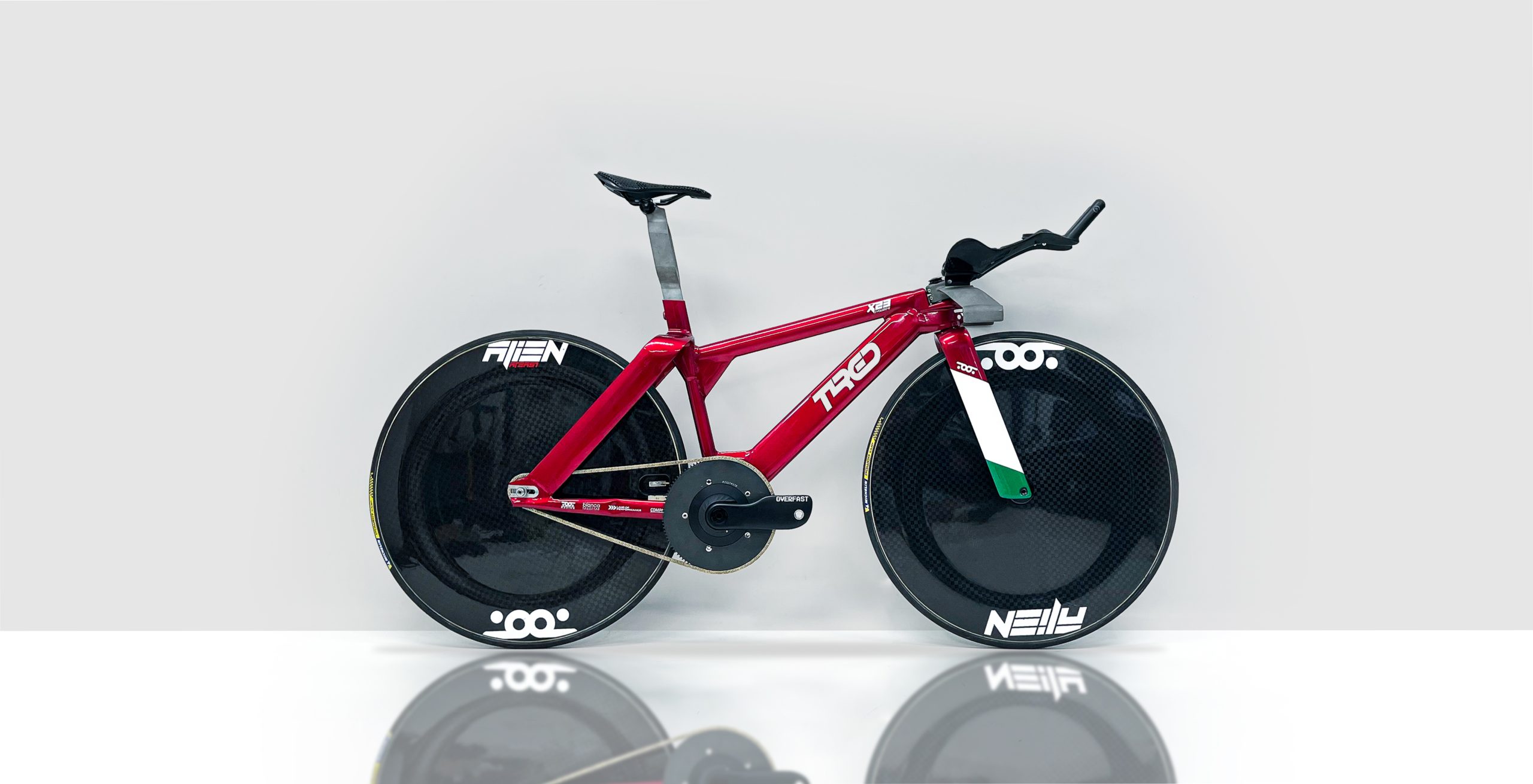
> IP AND TEAM PURSUIT
X23 EVOLUZIONE
PURSUIT
Four kilometres. No one to sit behind. One position, held to the end, with the clock as the only opponent.
Two years of testing went into this build.
A dedicated cockpit with an 11 mm titanium load-bearing wing and the hypergrip hold: less drag through the hands, and a better place to spend four minutes. Armrests in two adjustable options — DEDA ELEMENTI or Profile Design — or the custom route, TOOT ARC and TOOT ART, made to measure.
Double disc, clincher tyres, thru-axle front. KATHENEENA drivetrain. Split seatpost available.
For individual and team pursuit, and for anyone leaving a gate against a time.
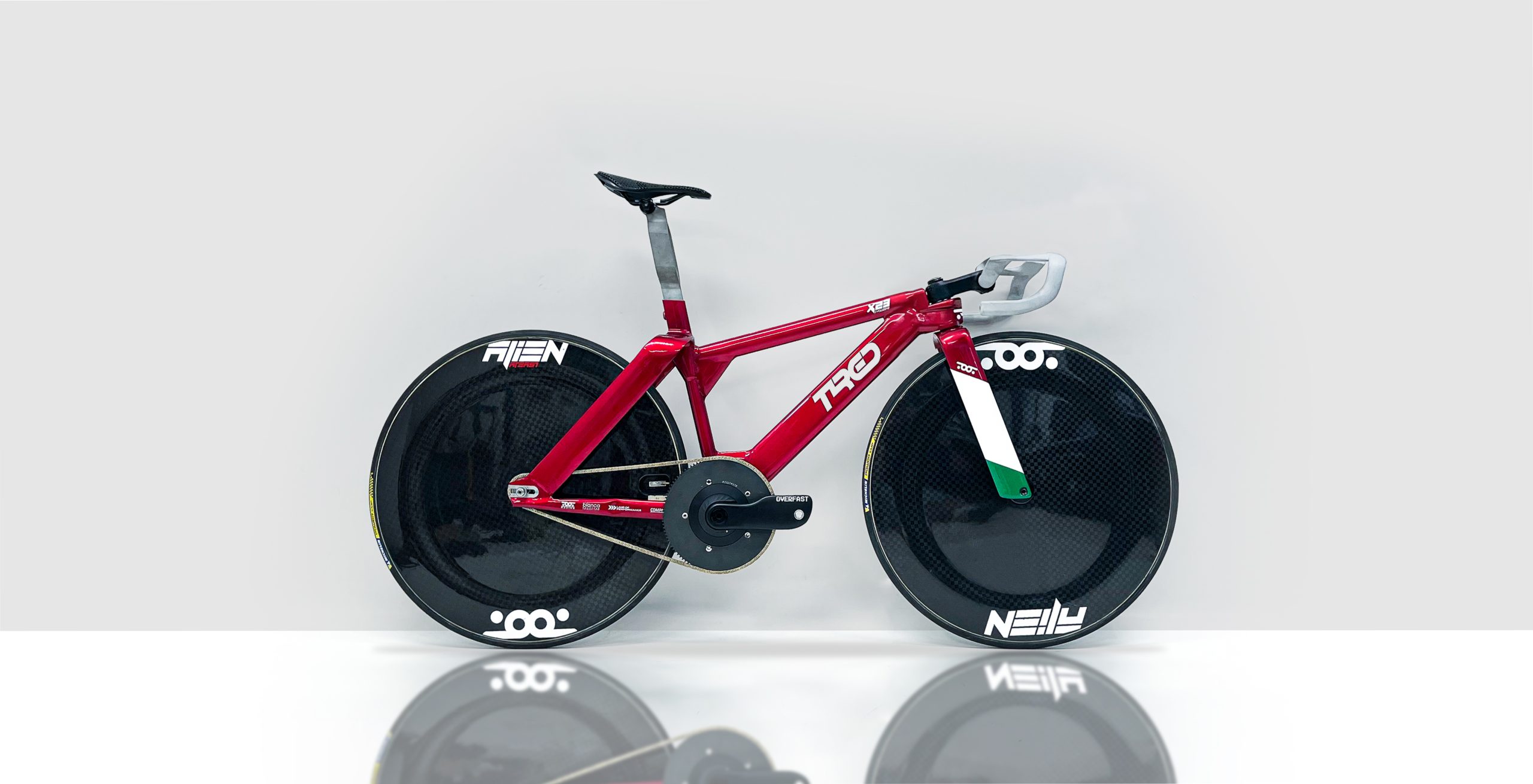
> SPRINT
X23 EVOLUZIONE
SPRINT
Standing start. Everything the legs have, through the bottom bracket, in under a second.
The goals are speed and stiffness, the athlete position is desoined to offer the maximum power efficiency and the minimun resistence possible.
A dedicated frame for that load. Thicker walls on tubes and printed parts, and lattice infill through the areas that take the most — stiffness where the torque goes, without carrying the weight everywhere else.
Same treatment on the crankset. HARPER DUECENTO cockpit, parametric and 3D printed, in regular or reverse grip.
For team sprint starters, flying 200s and match sprints and keirin.
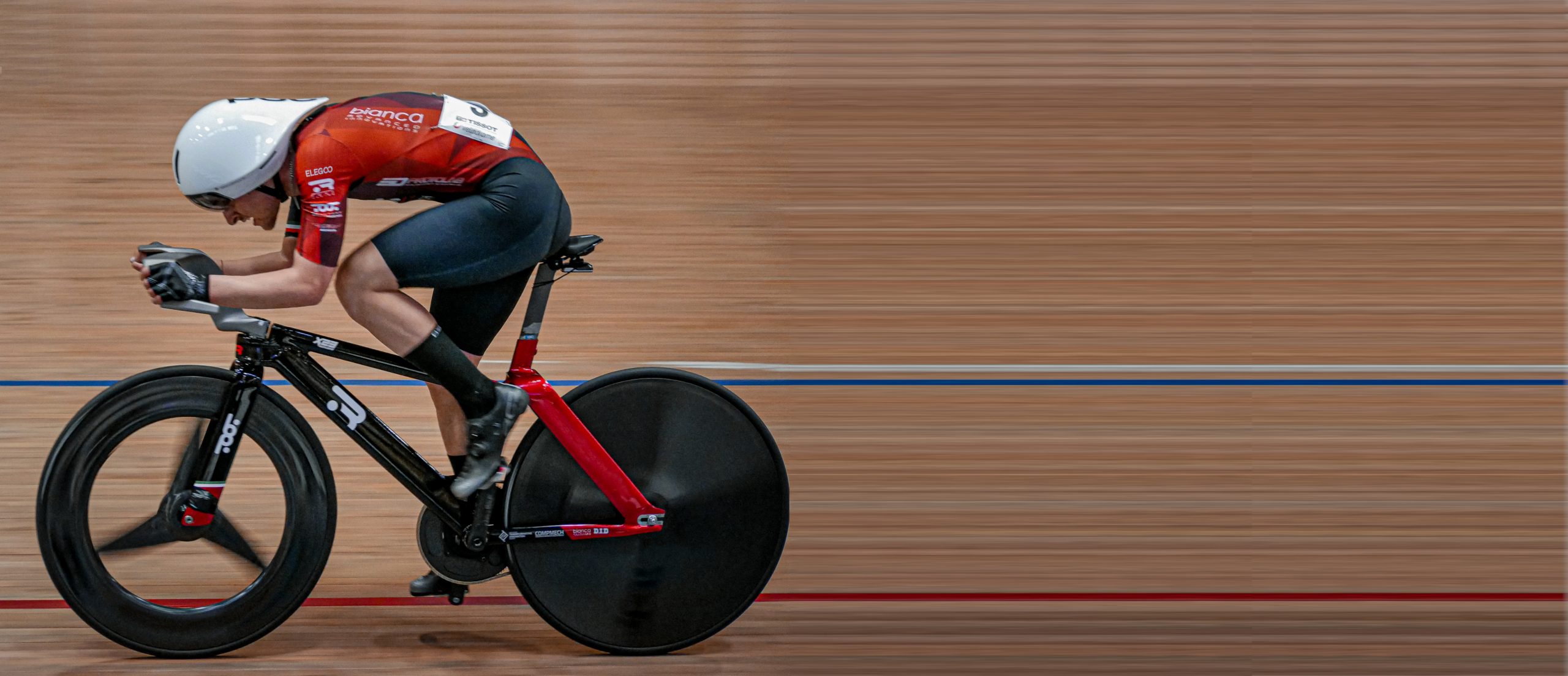
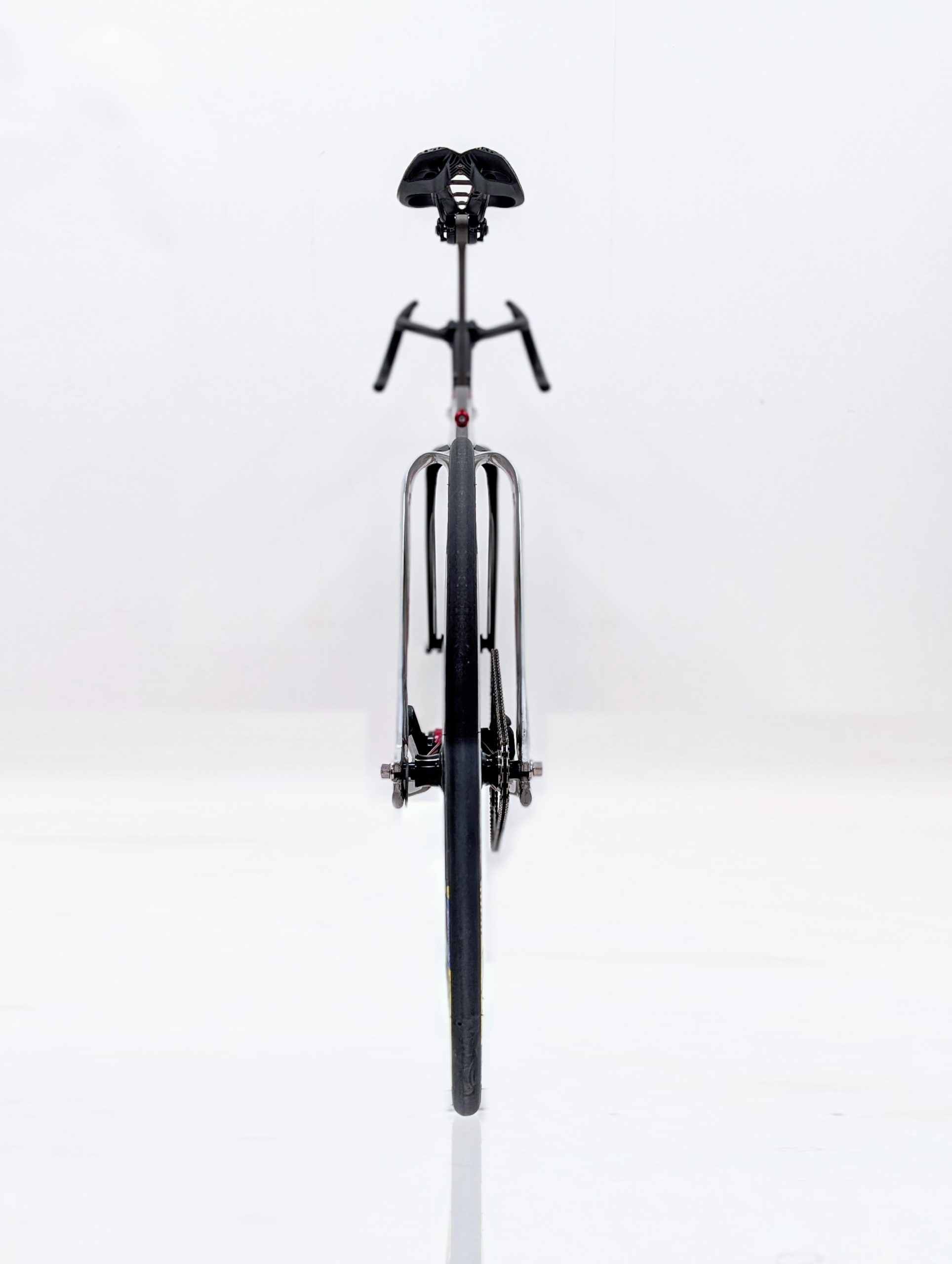
LESS IS MORE
The secret of disappearing
Aerodynamics have a very important role in optimizing performance, but the X23 was born from the aerodynamic efficiency of the bike/athlete complex.
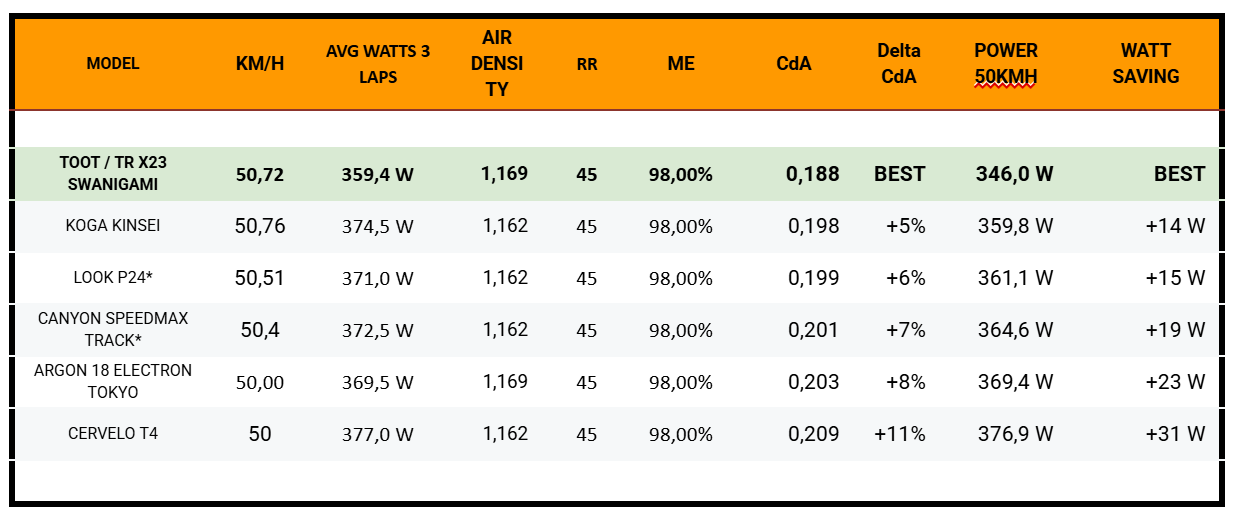
X23 is the bike with the lowest frontal surface on the market but the real aero advantage comes from the position that the X23 allows you to maintain in the "comfort zone" with a measured watt saving of 30W at 50km/h compared to a traditional frame*.
The X23 frame has a maximum ground clearance of 770mm.
This is impressive considering the 700C wheel diameter.
Stack is 483mm only: 15% lower than any other track frame of comparable size on the market.
The athlete's position is high, almost like in time trials, the result of the "best position" on the HORAI® simulator.
The simulations in CFD and in the virtual wind tunnel have demonstrated a drag reduction of over 5% and an improvement in the Cd of the athlete's body.
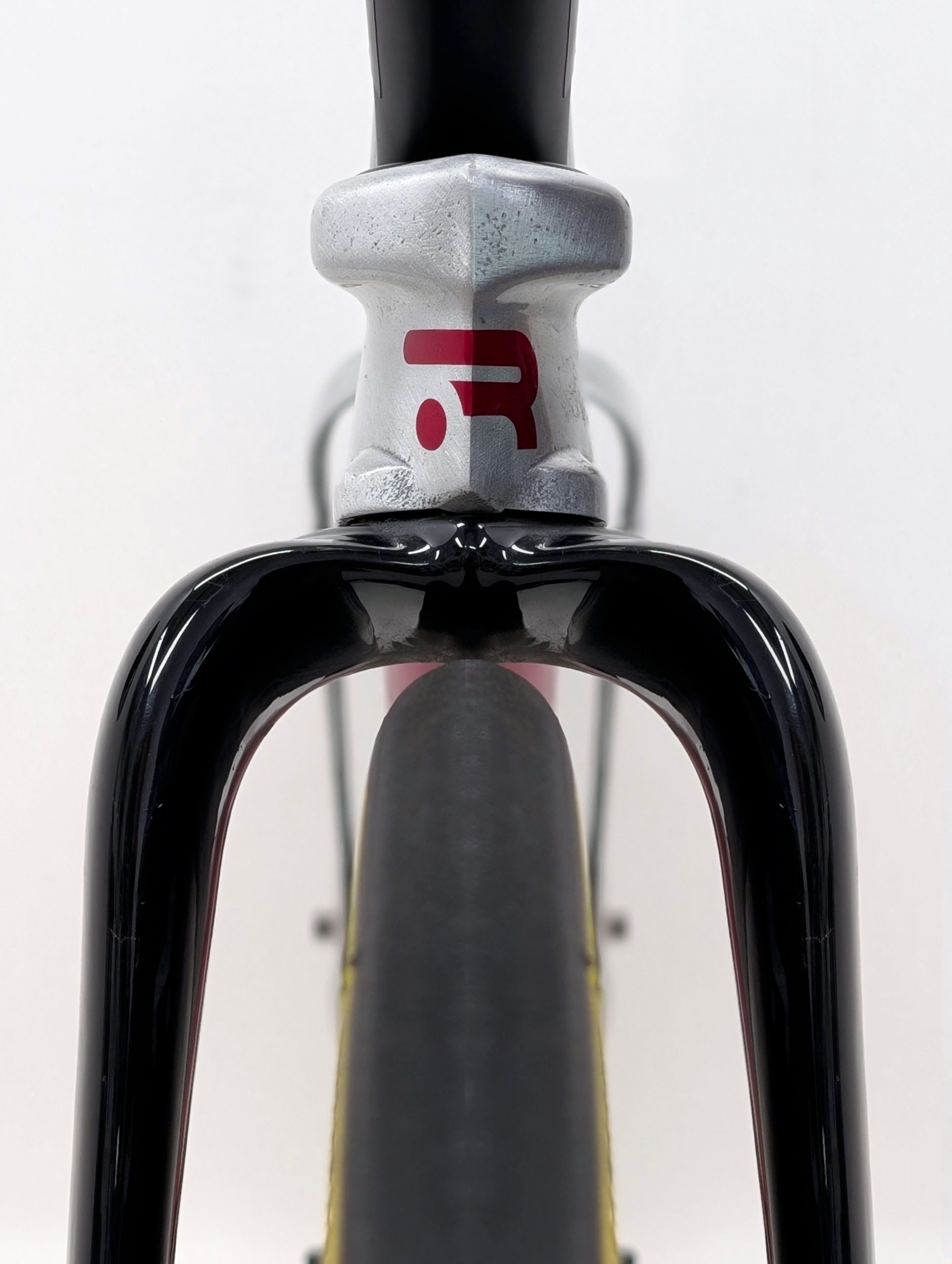
EAGLE'S BEAK
Airflow design
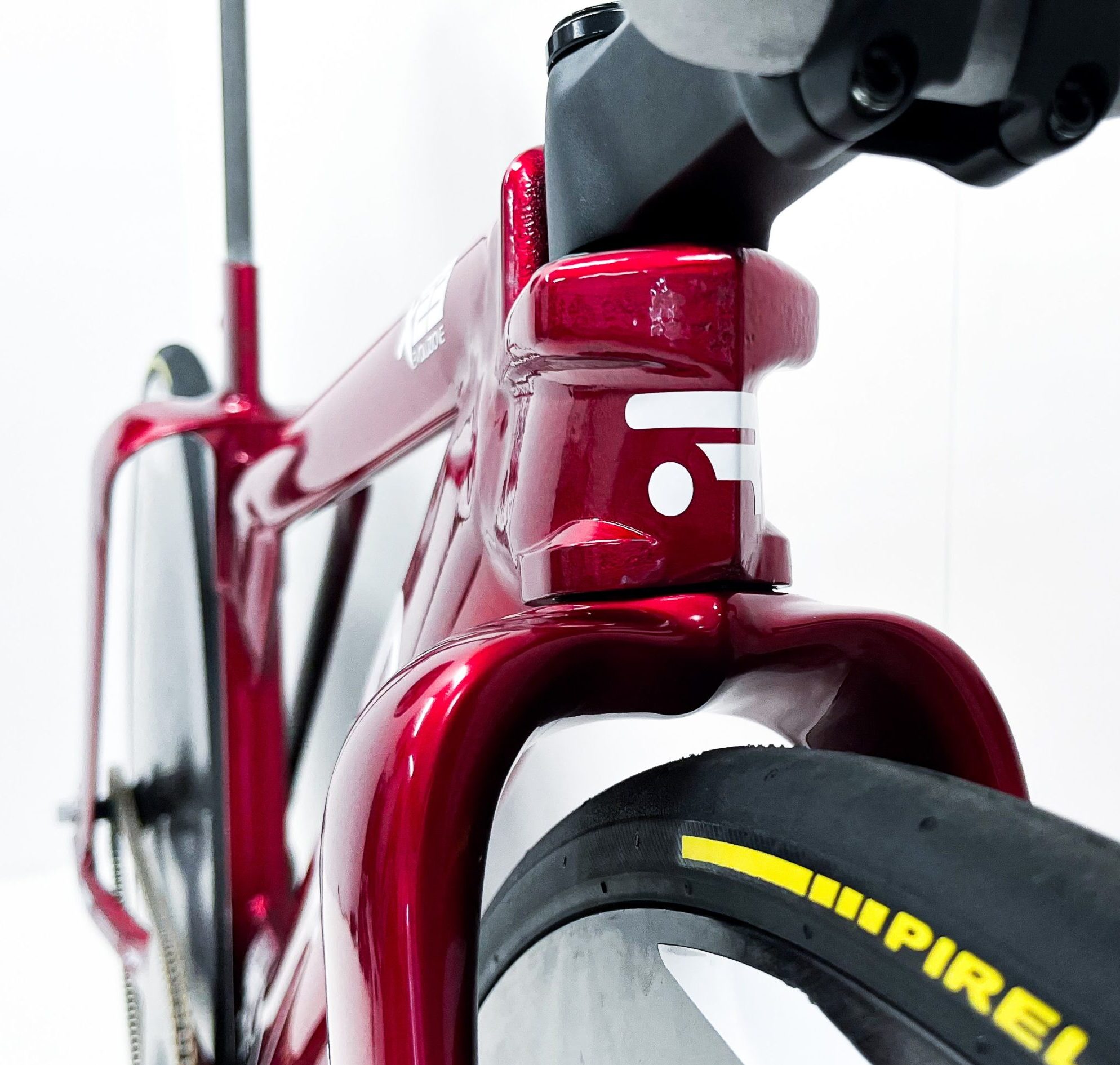
The new T23 fork (in two lengths and rakes) contributes to the customization and can count on unique precision thanks to the proximity (only 47mm distance) of the two steering bearings.
The design of the fork is also the result of an aerodynamic balance between the outwash effect of the speed airflow and the optimization of the turbulences generated by the front wheel.
Why this changes everything:
Traditional bike design treats aerodynamics as a collection of optimized parts. The X23 treats aerodynamics as a unified flow-management system where every edge, every curve, every surface transition works in concert with your dynamic equilibrium.
The fork's sharp leading edge controls upstream turbulence. The frame's "nose" concave transitions manage the main and mid-body airflow. The rider's natural bodywork completes the aerodynamic circuit.
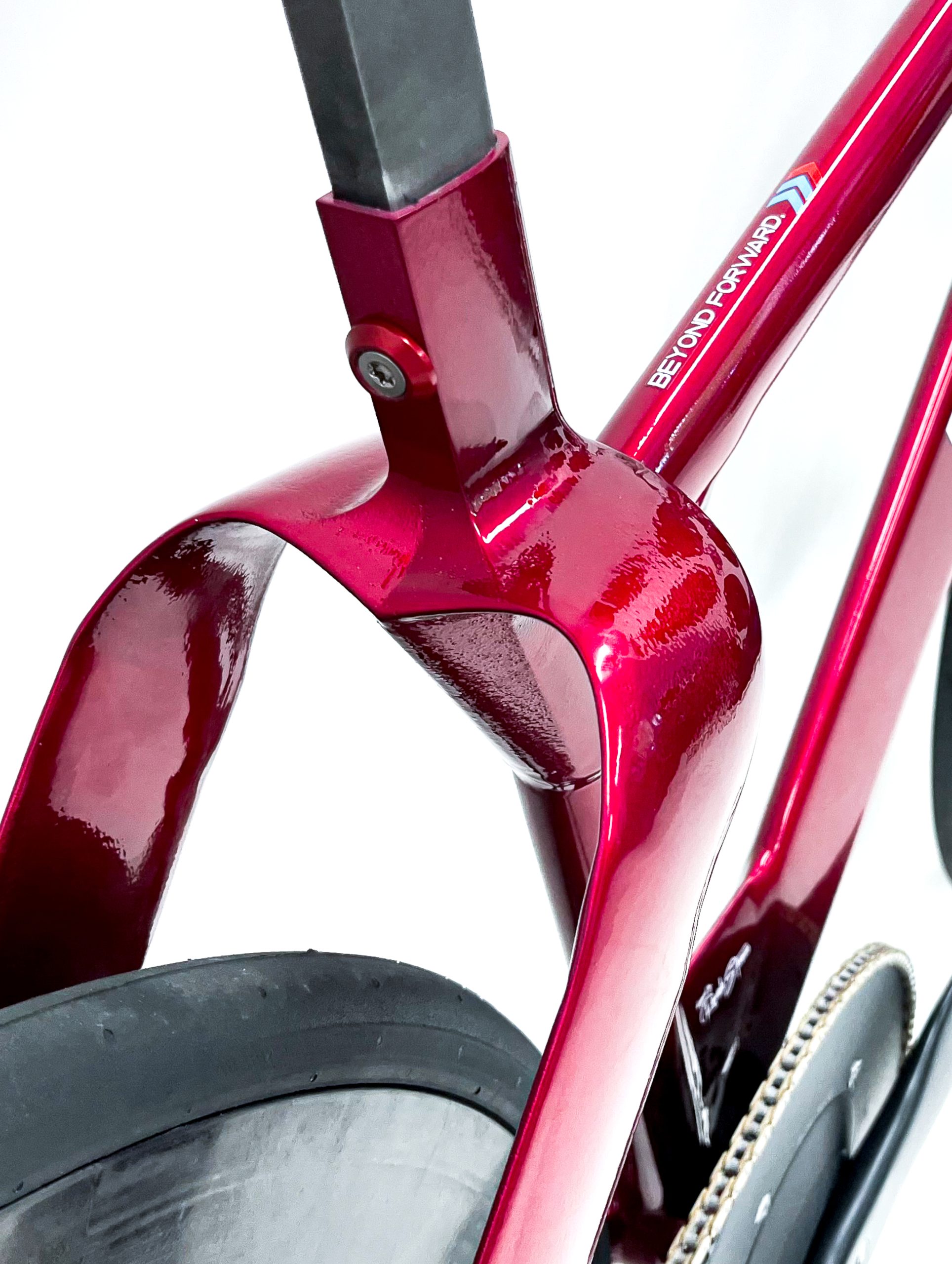
MANTA WISHBONE
Air is not an enemy if you're able to use it.
The aerofoil sections on an aero bike descend from profiles characterised at Reynolds numbers of three million and above.
A 50 mm tube at 50 km/h runs at about 46,000. Sixty-five times below the data.
At that number the advantage does not arrive. The flow separates where the shape has not decided, and it moves again when the yaw changes.
A live edge decides. At 35 km/h and at 65, on the straight and through the banking.
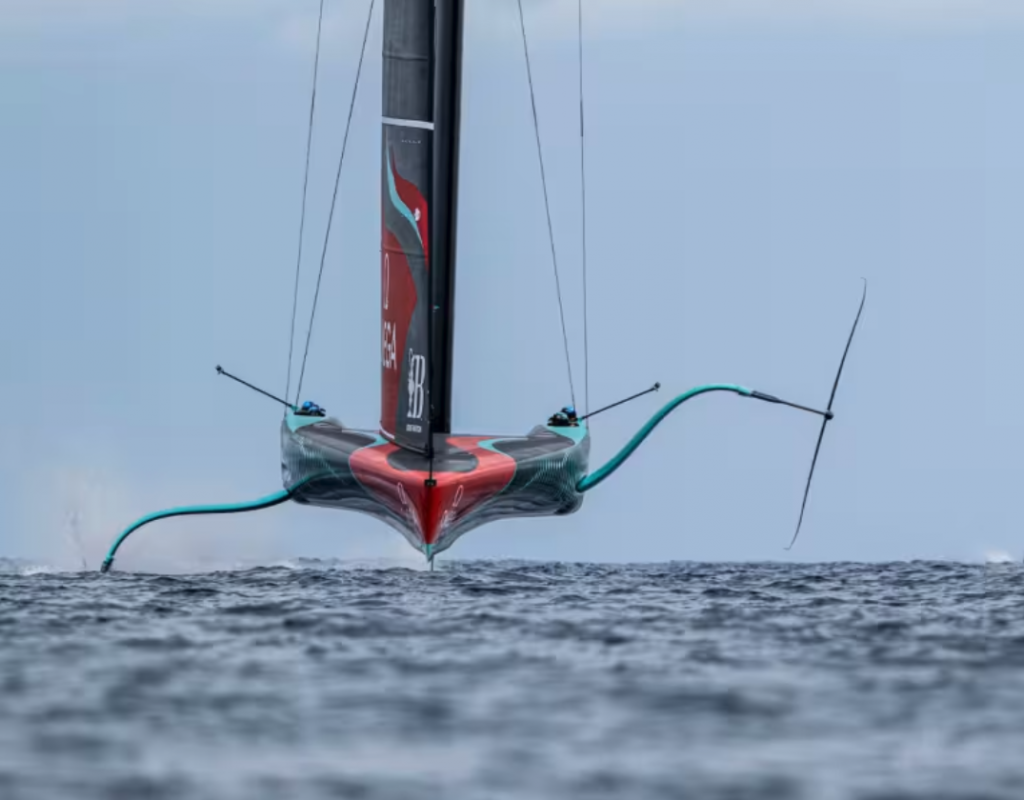
America's Cup boats work in the same speed band as a bicycle, and they are optimised for stability through changing apparent wind angles rather than for peak efficiency at one. Concave surfaces. Hard chines.
Two flows arrive at the rear triangle. One down the seat tube, clean. One off the thighs and the rear wheel, turbulent, pulsing at pedalling frequency.
The Manta wishbone keeps them apart. Wing sections with live edges, placed where the two meet.
Concave flanks hold the flow longer. The wake leaves narrower.
No mould releases this shape. Printed, it costs what a round tube costs.
LSST®
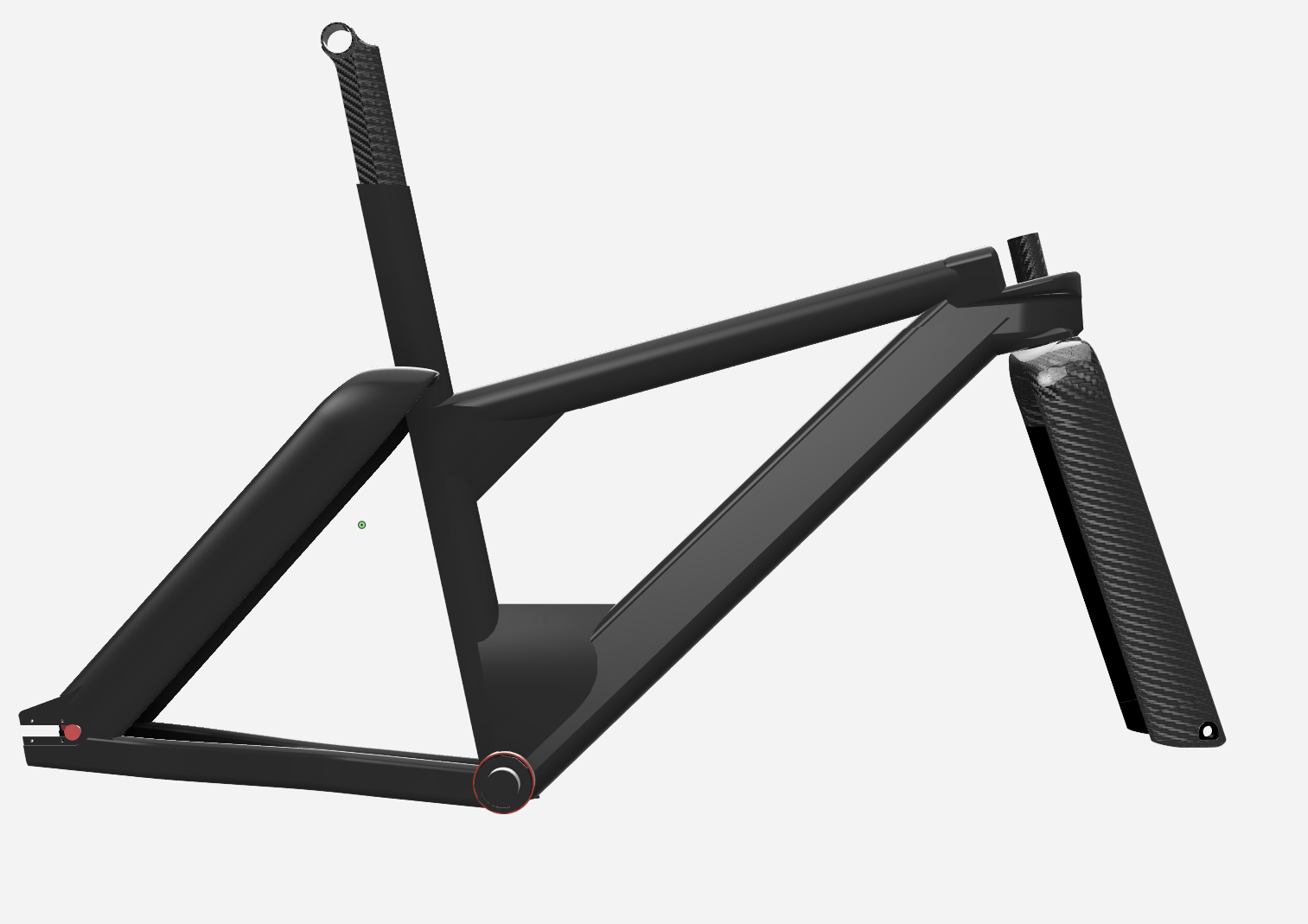
Low Stack Small Triangles
The X23's distinctive frame proportions aren't accidental, they're inspired by BMX engineering principles adapted for track cycling's unique demands.
BMX frames excel at:
- Maximum power transmission efficiency
- Instant acceleration response
- Precise handling under extreme loads
- Structural integrity in high-stress scenarios
The X23 translates these advantages to track cycling:
- Small, stiff triangles for optimal power transfer
- Low stack geometry for aerodynamic positioning and drag reduction
- Oversized bottom bracket area for sprint stiffness
- Tall, narrow rear stays for acceleration compliance
This isn't just aesthetic—it's functional engineering that makes the bike disappear beneath you, becoming pure performance extension.
3D DIGITAL MANUFACTURING
From adaptive design to additive manufacturing
The X23's distinctive sharp-edged geometries aren't styling choices—they're America's Cup technology applied to human-powered velocity. Like the revolutionary hull designs that dominated sailing's ultimate competition, these edges create controlled flow separation and energy management that transforms how air moves around the bike-rider complex.
Unlike carbon's directional properties, our isotropic metals deliver exactly the stiffness you need, exactly where you need it. The bottom bracket can be rock-solid while the stays remain compliant - impossible with carbon layup compromises.
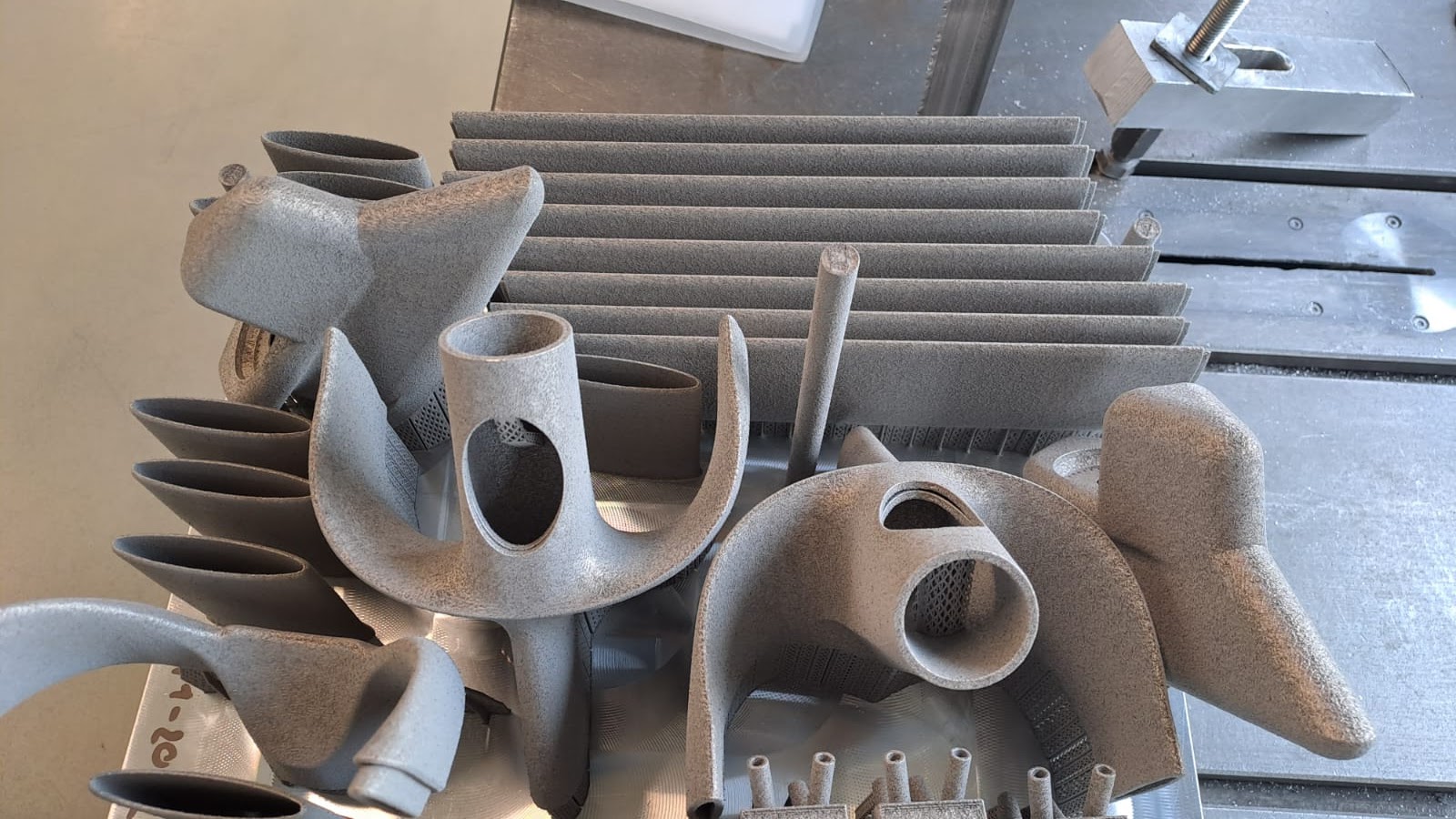
3D printing allows geometries that carbon molds simply cannot achieve. Every curve, every thickness, every junction optimized for your specific power signature and body dynamics.
Metal fatigue is predictable and progressive. No sudden catastrophic failures, no delamination, no temperature sensitivity. The bike that wins your biggest race will still be racing years later.
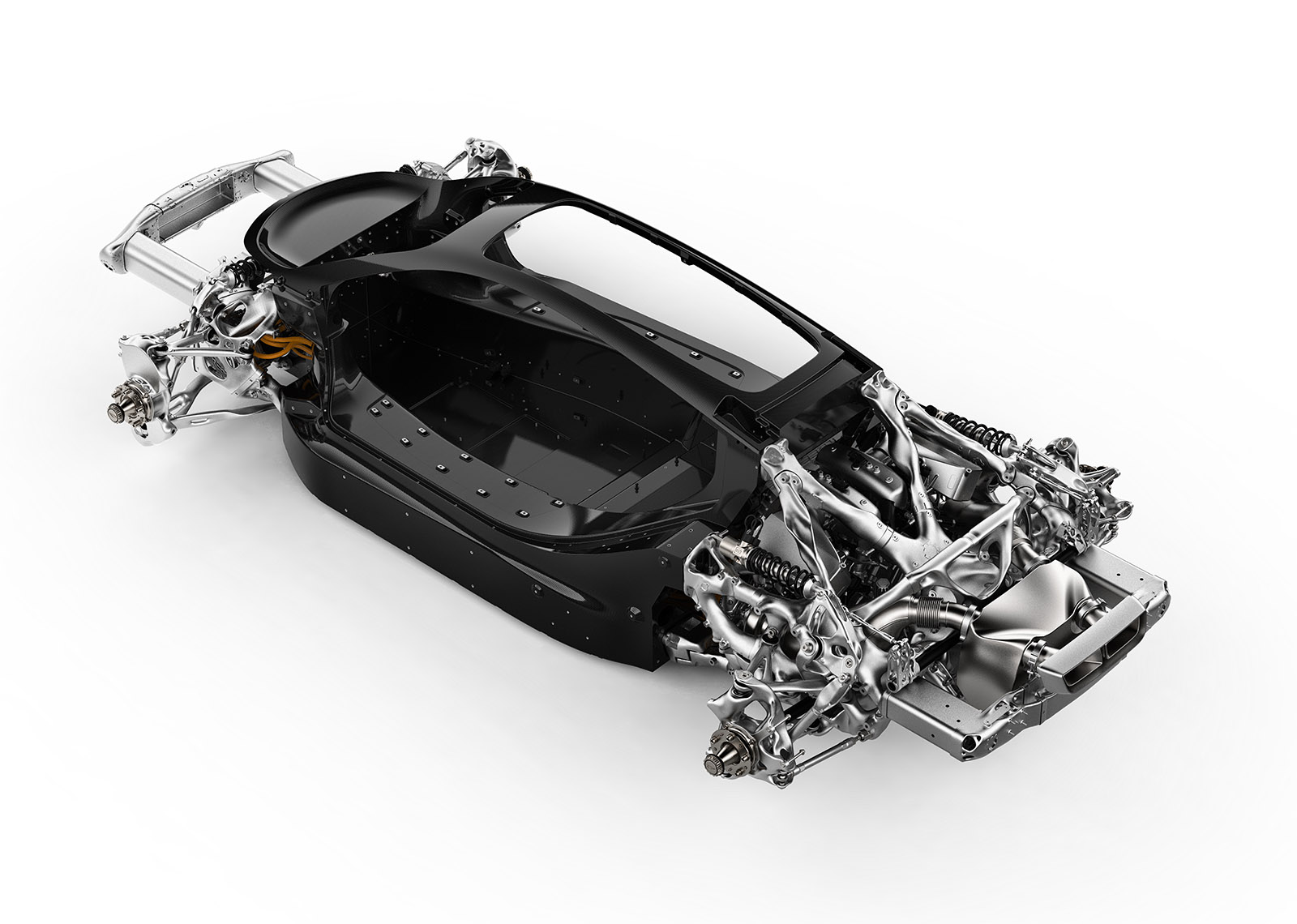
Motorsport prints structural metal because a part has to change between two races.Divergent prints structural nodes generated from load cases. The Czinger 21C is assembled around them.
Here the load cases are measured on one athlete.
This isn't tradition - this is advanced engineering applied with surgical precision.
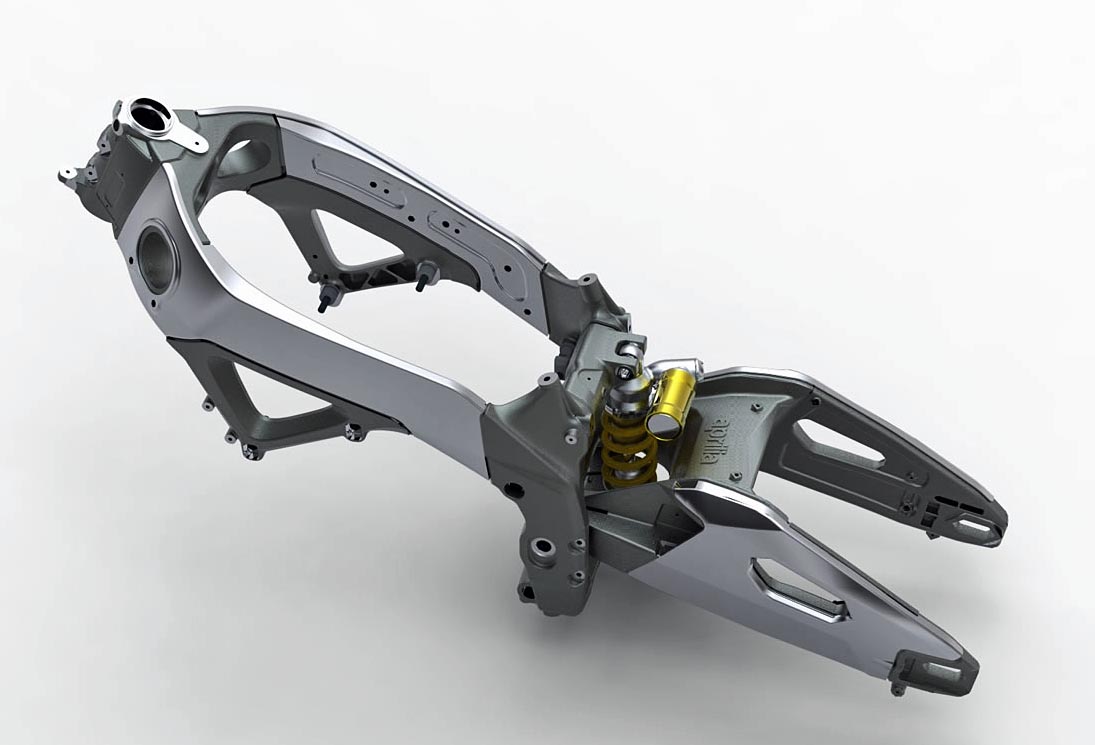
MOTORSPORT TECHNOLOGIES
3D alloys in motorport
A mould is amortised over identical pieces. Identical pieces are sold as sizes.
The size chart, the 245 mm stem a 190 cm rider ends up on, the stack a small rider lives with — all of it comes from the mould.
AlScaZir® > 560 MPa UTS · 580 best measured · > 490 MPa yield · > 8% elongation
Printed. Internal geometry changes from frame to frame.
HydroFOURTi forms titanium on digital dies. The die is a file.
Ducati raced a carbon chassis in MotoGP from 2009 to 2011 and returned to aluminium in 2012. It could not be read and adjusted between sessions.
RAW AND CHAMPION
Results are better then numbers
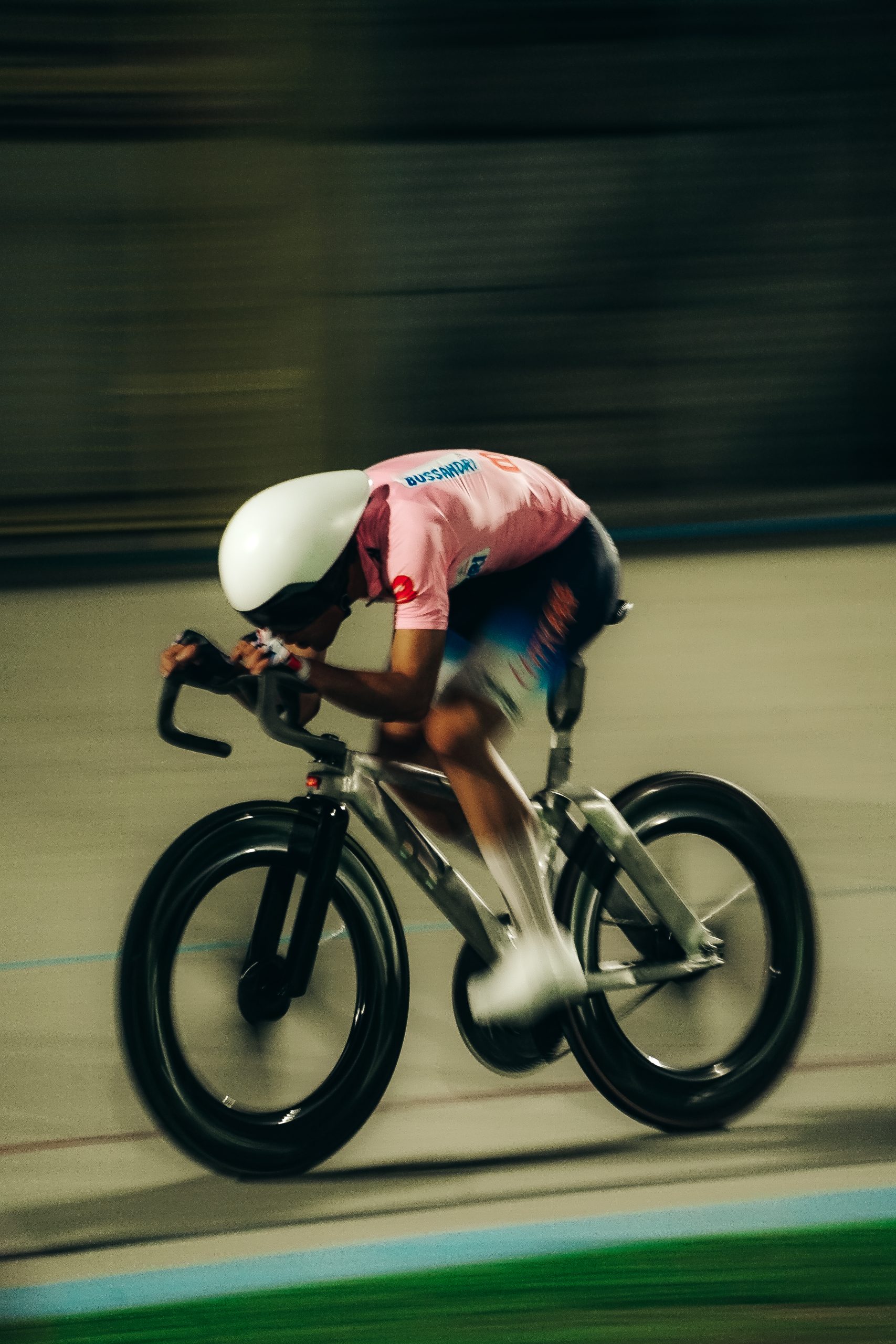
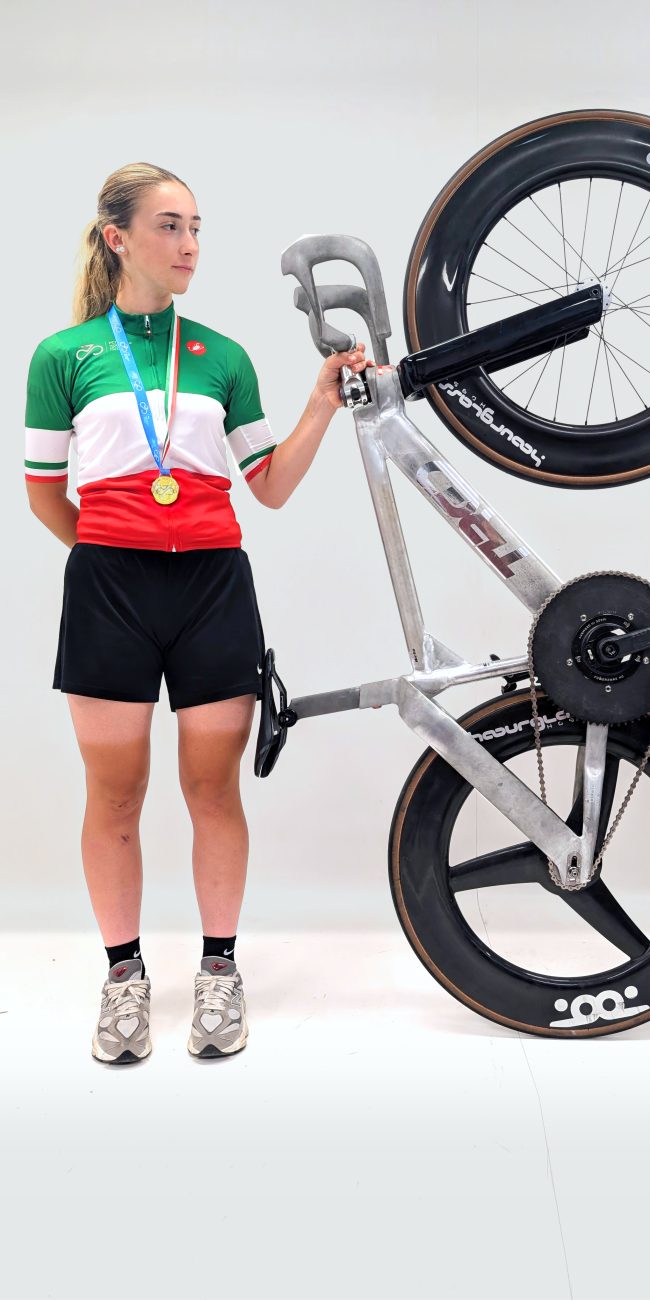
Angelica Bucciarelli, X23, the day the welding finished.
No paint. It had a race.
Seven days from drawing to track. The Factory Team races it. A wall thickness, a cockpit angle, a gear step come back. Into the next frame.
What survives a season reaches the catalogue. In that order.
Geometry from her measurements. Reinforcements from the way she puts power down. Stack from the position she can hold for the length of her event.
Raw metal hides nothing. Neither does a result.
X23 EVOLUZIONE Specs
| Frame | X23 EVOLUZIONE Parametric geometry | AlMgScZr 3D printed | hand welded |
| Fork | TOOT T2 RSTrack Wide Stance Fork (Regular Stack) TOOT T2HS Track Wide Stance Fork (High Stack) |
| Seatpost | TOOT T2 titanium 6/4 3D printed custom lenght/offset |
| Barstem | HARPER POINTRACE | HARPER DUECENTO | HALAR PURSUIT WING |
| Headset | 1-1/8″ ACB SS bearing |
| Head Tube Diameter | 1-1/8″ upper and lower |
| Saddle Rail Clamps | 7×7 and 7×9 |
| Bottom Bracket | TOOT T47 Aluminium cups / TOOT COATING |
| Max Chainring | 76-tooth |
| Front Axle | 12 x 100mm thru-axle |
| Rear Axle | M10 Track bolt |
| Wheelset | TOOT HOURGLASS HG Track |
| Wheel Size | 700c |
| Max Tire Clearance | 30 mm |
| Manufacturer Warranty | Limited Lifetime Warranty |
AERO TEST IN REAL WORLD
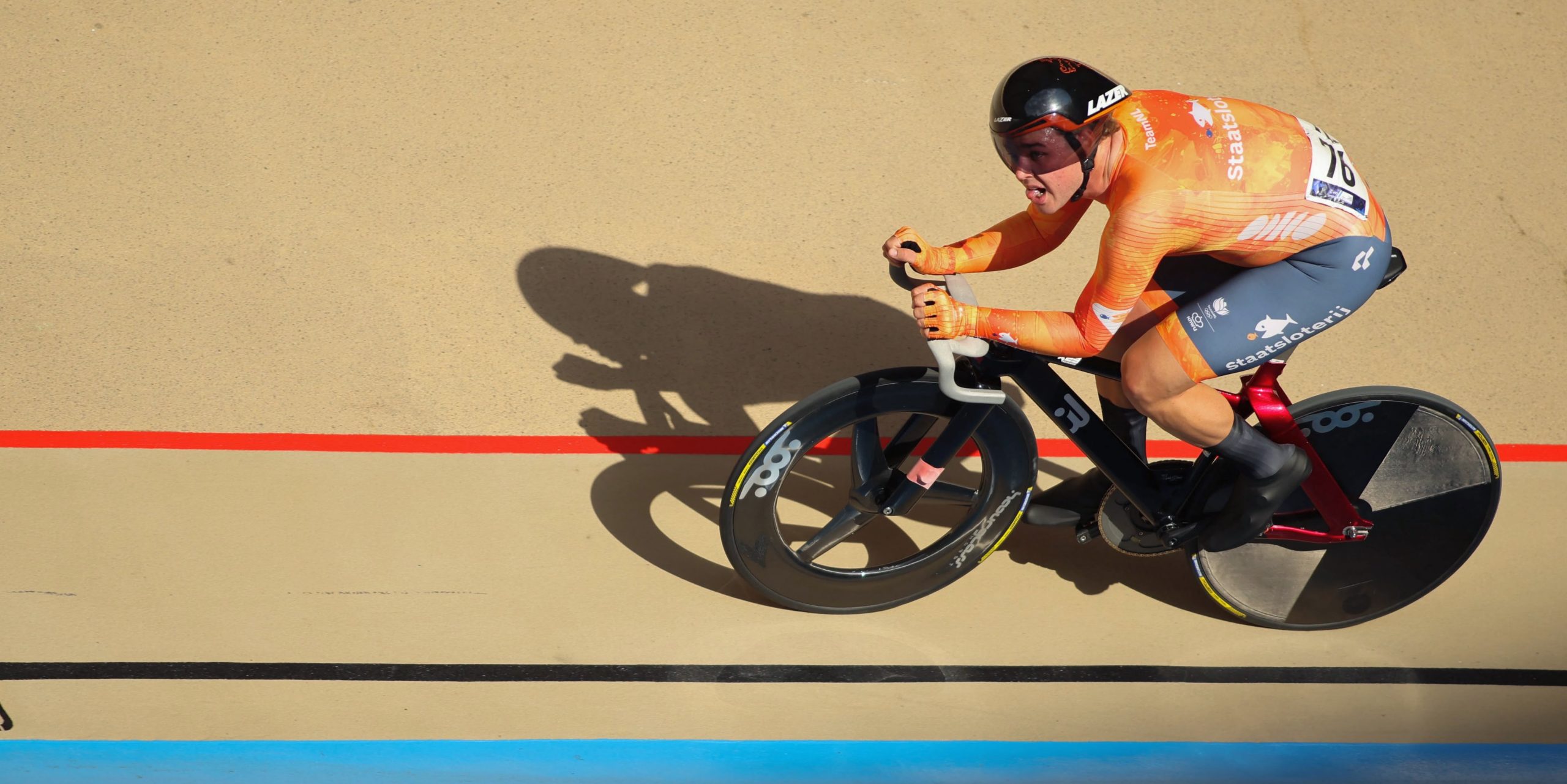
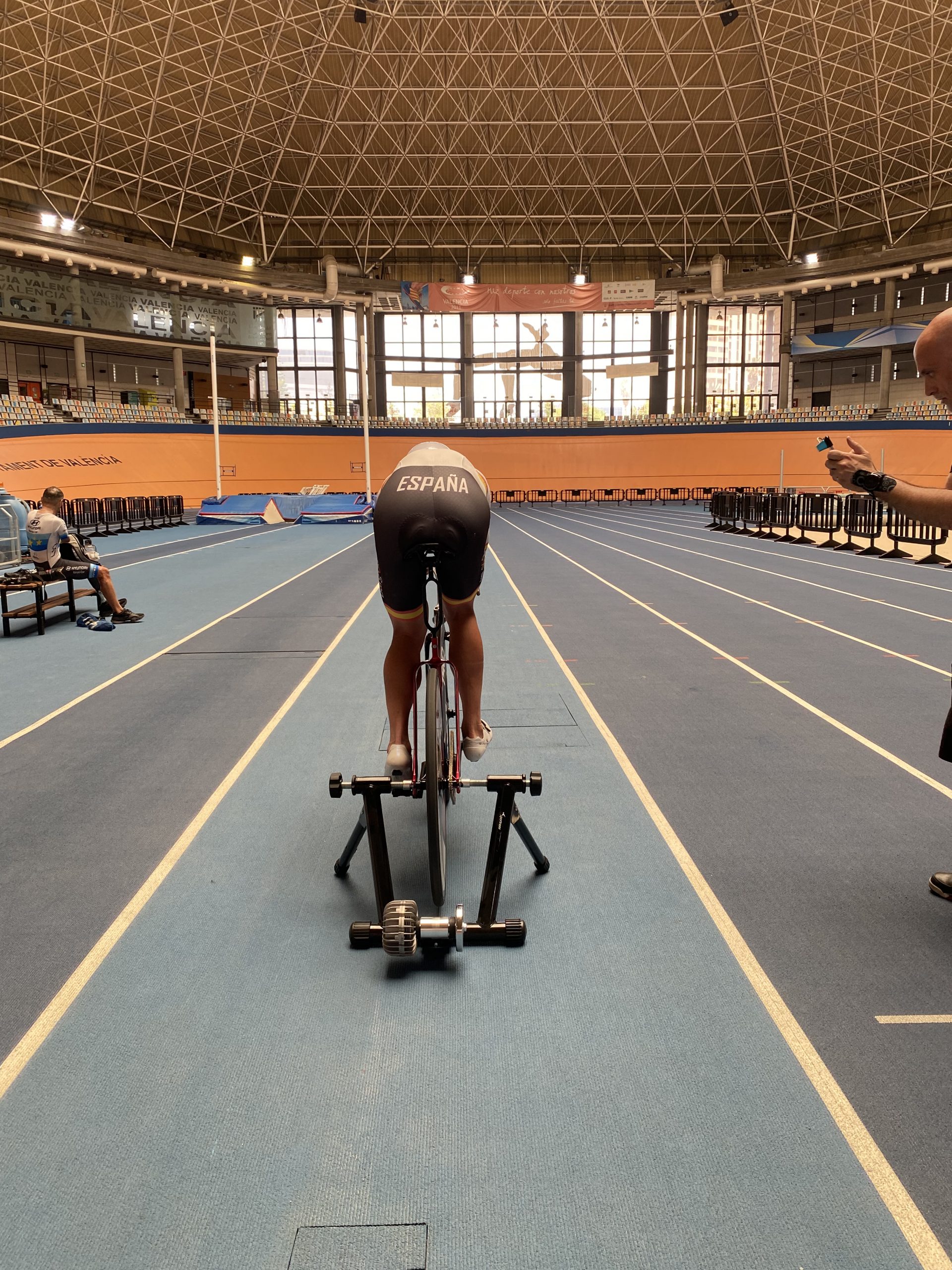
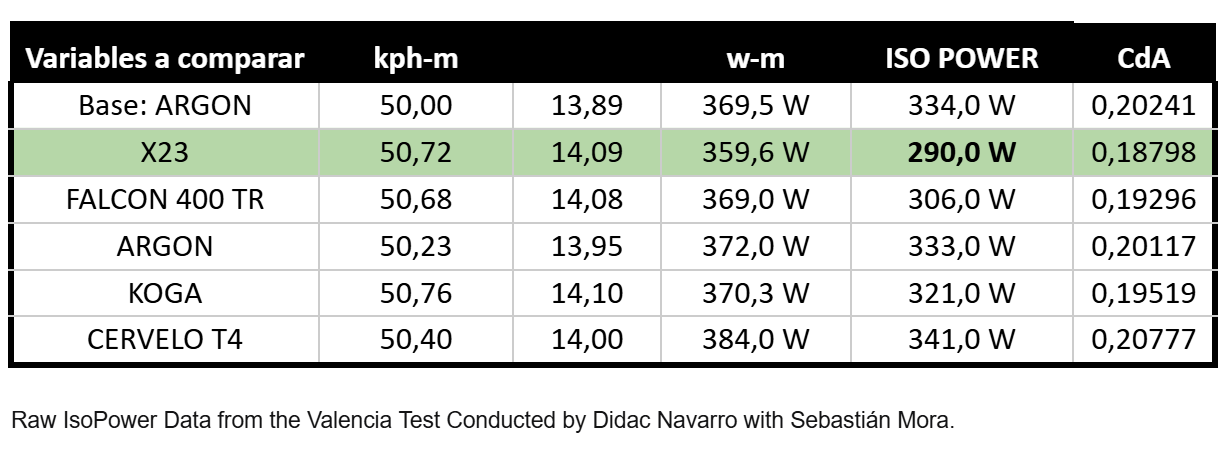
NAVARRO/MORA INDEPENDENT TEST VALENCIA 2023
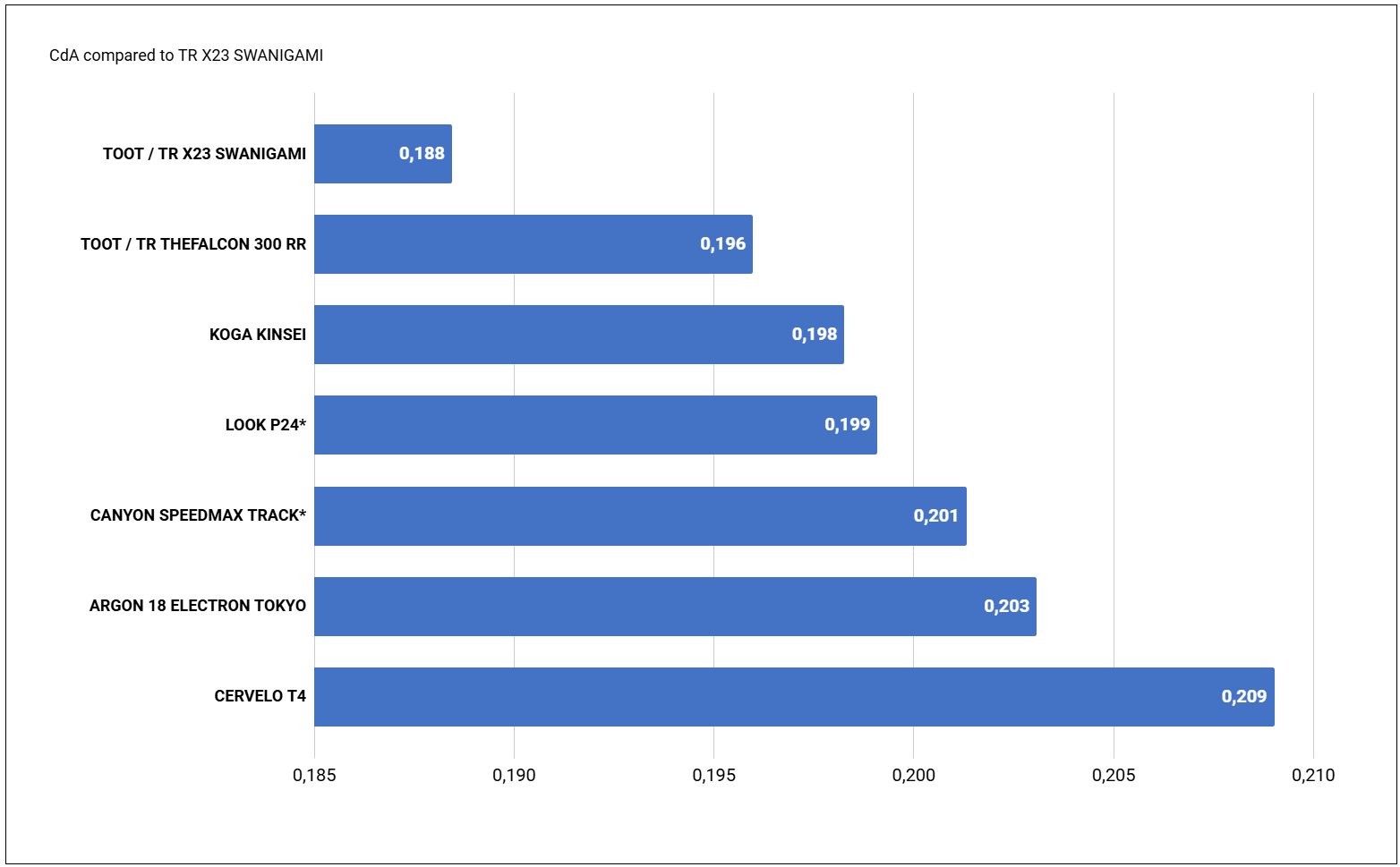
X23 EVOLUZIONE is the bike with the lowest CDA of any current track bike. But this is not enough for our designers. The goal is to design a complex aerodynamic blended wing body to be faster. A low CdA bike is only the beginning to obtain the best aerodynamic performance.
30 watts saved at 50km/h compared to traditional track frames. The aero numbers that seem impossible? They're just the consequence of doing everything else radically right.
While others promise incremental gains, we deliver measurable transformation. The X23 doesn't just make you faster—it makes you radically faster than your previous best self.
The Test protocol
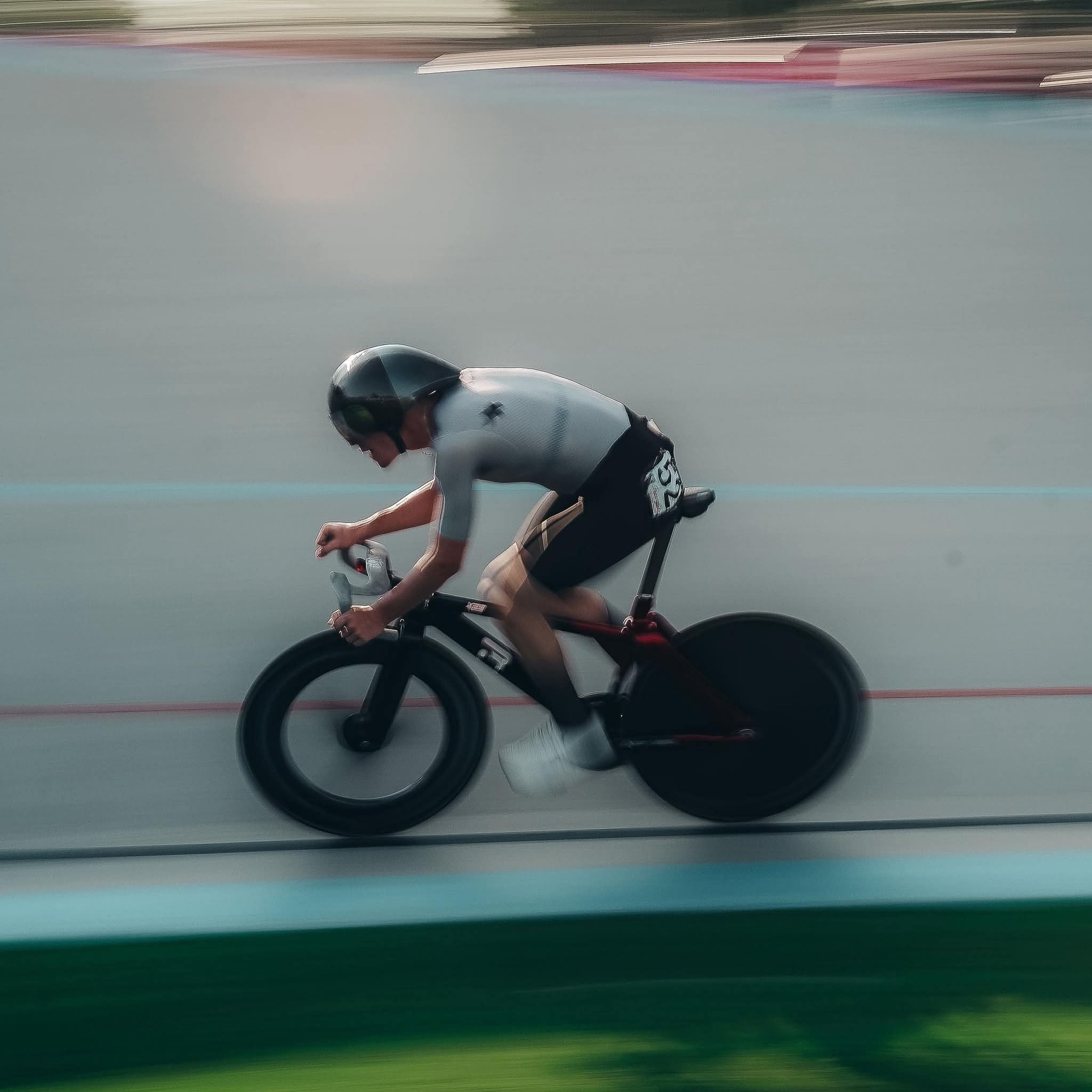
No tunnel. A velodrome, a power meter, one rider, one position.
0.187 CdA · 50 km/h · bunch position · 346W · air density normalized to 1.169 OMNIUM build.
Chung method. Power, speed and time logged lap after lap. A velodrome returns to the same height every lap, so drag is the only unknown left. Density measured, not assumed.
Same rider, same session, bikes swapped between runs.
Third-party testing: Mora/Navarro validation data available
Be faster, don't shake.
A CdA figure belongs to a position. Hold the position and the figure holds.
A bike thrown side to side changes frontal area and yaw angle once each way, every crank revolution. The measured number becomes an average, and part of every stroke is spent on the wrong side of it.
Lateral movement is work done on mass that is not going forward. The upper body carries most of it. None of it reaches the tyre.
LSST® — Low Stack Small Triangles. Short members deflect less under the same load. The low stack that the air wants is the same decision that makes the triangles small. The geometry comes from BMX, where the whole race is a standing start.
The printed reinforcements take the rest. Internal geometry drawn on the way that rider loads the frame, so lateral and torsional stiffness arrive where the sway starts.
Racing got quieter. Power meters made the cost visible: high cadence, low amplitude, the bike still under a body that is working.