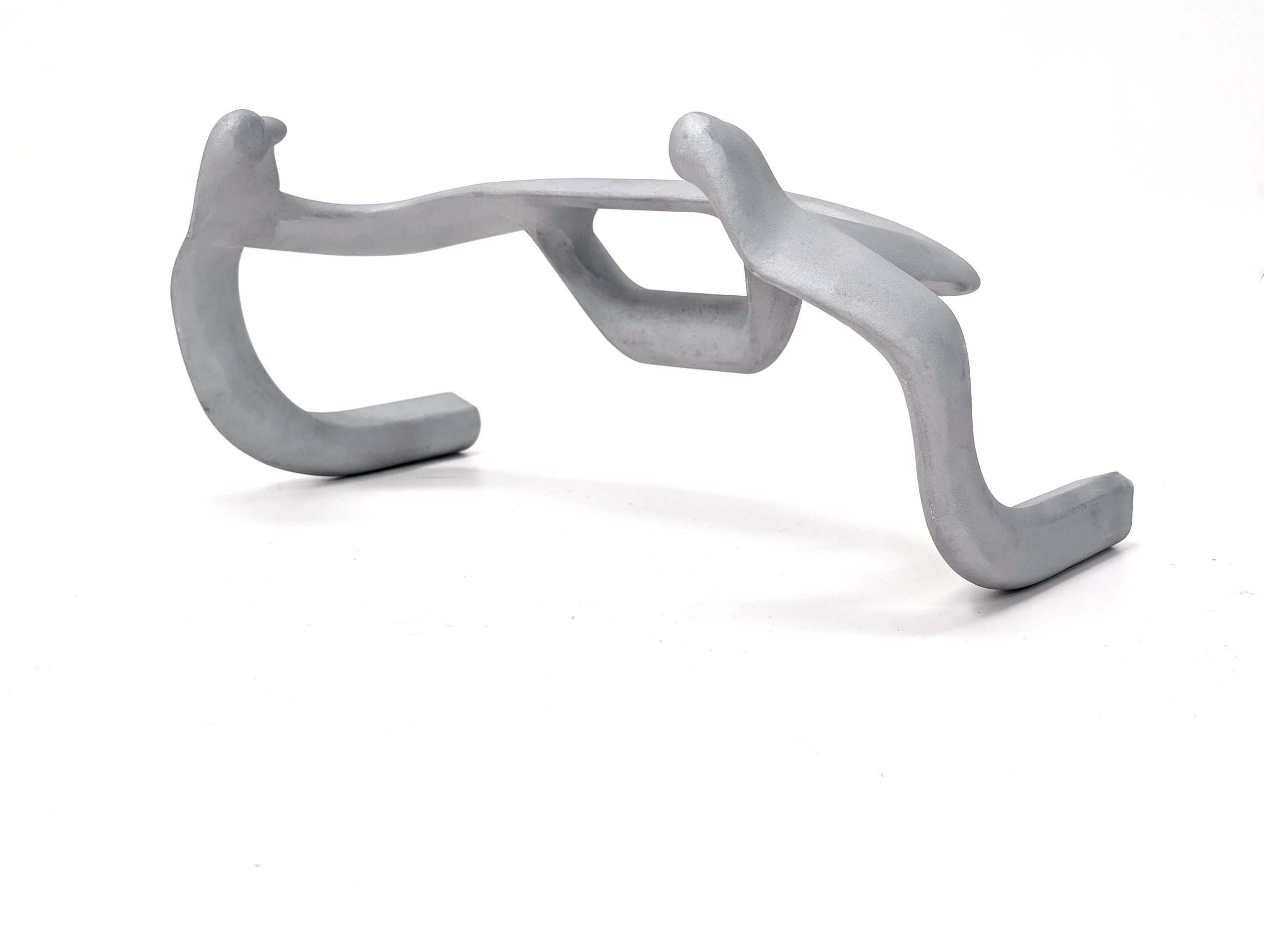
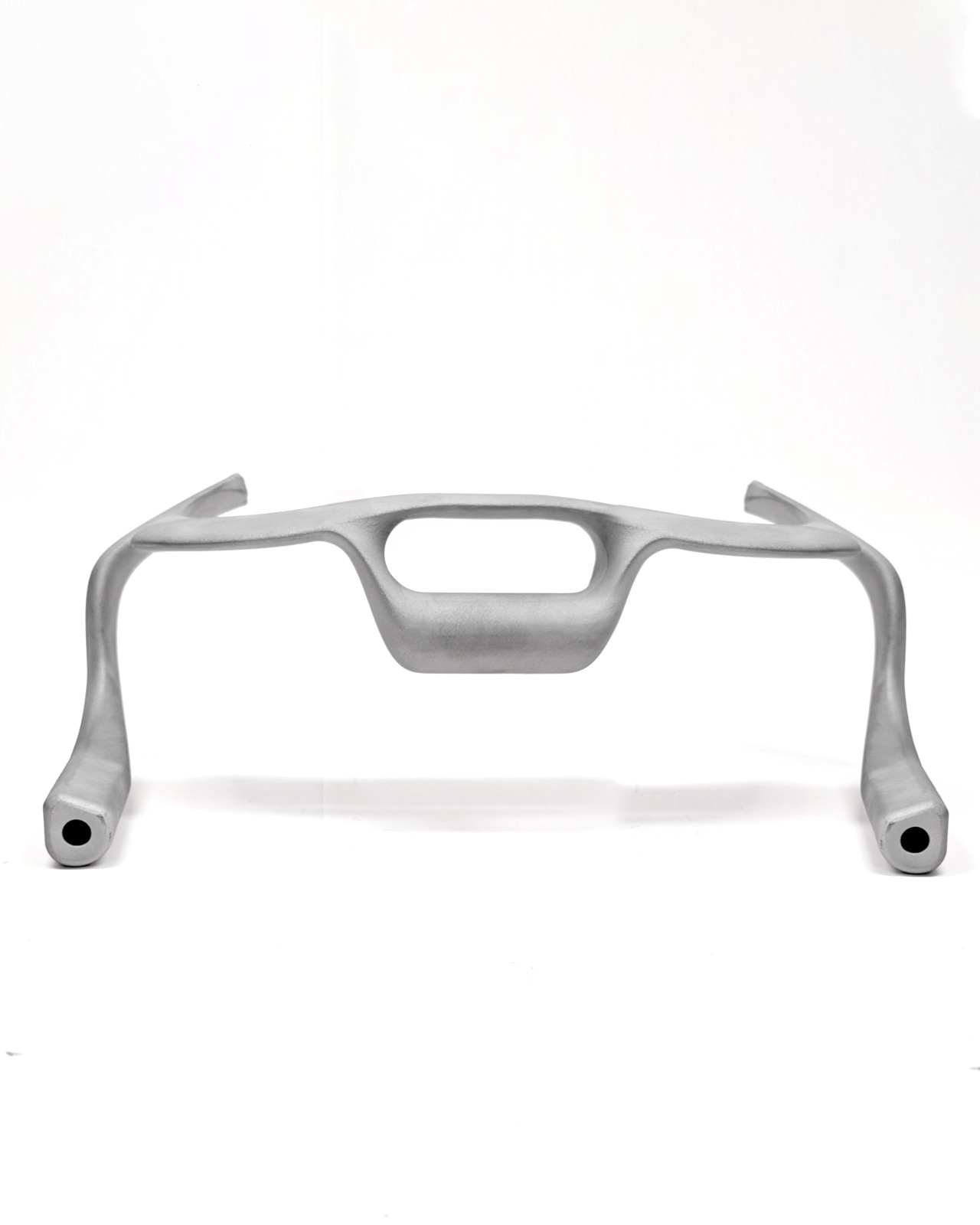
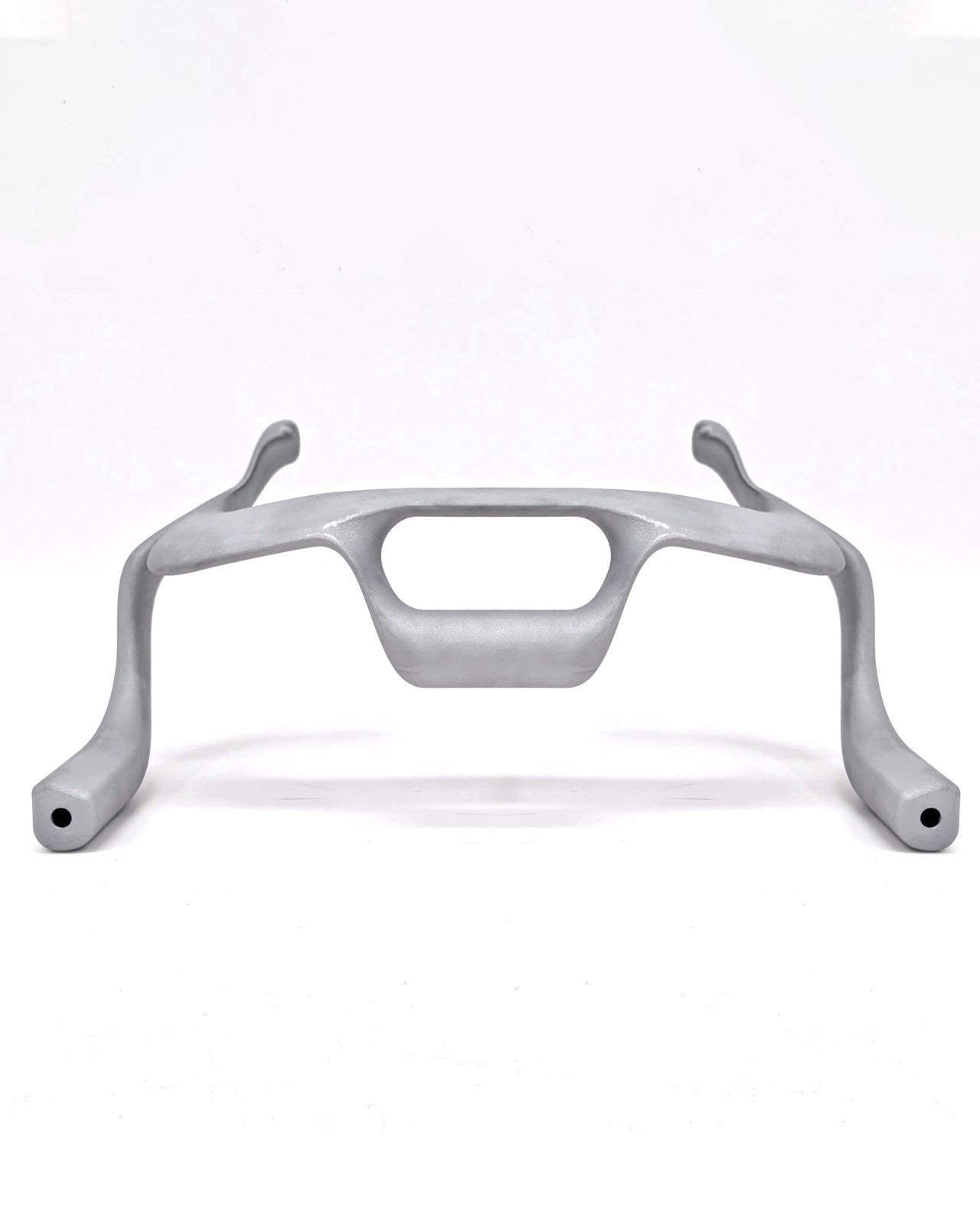
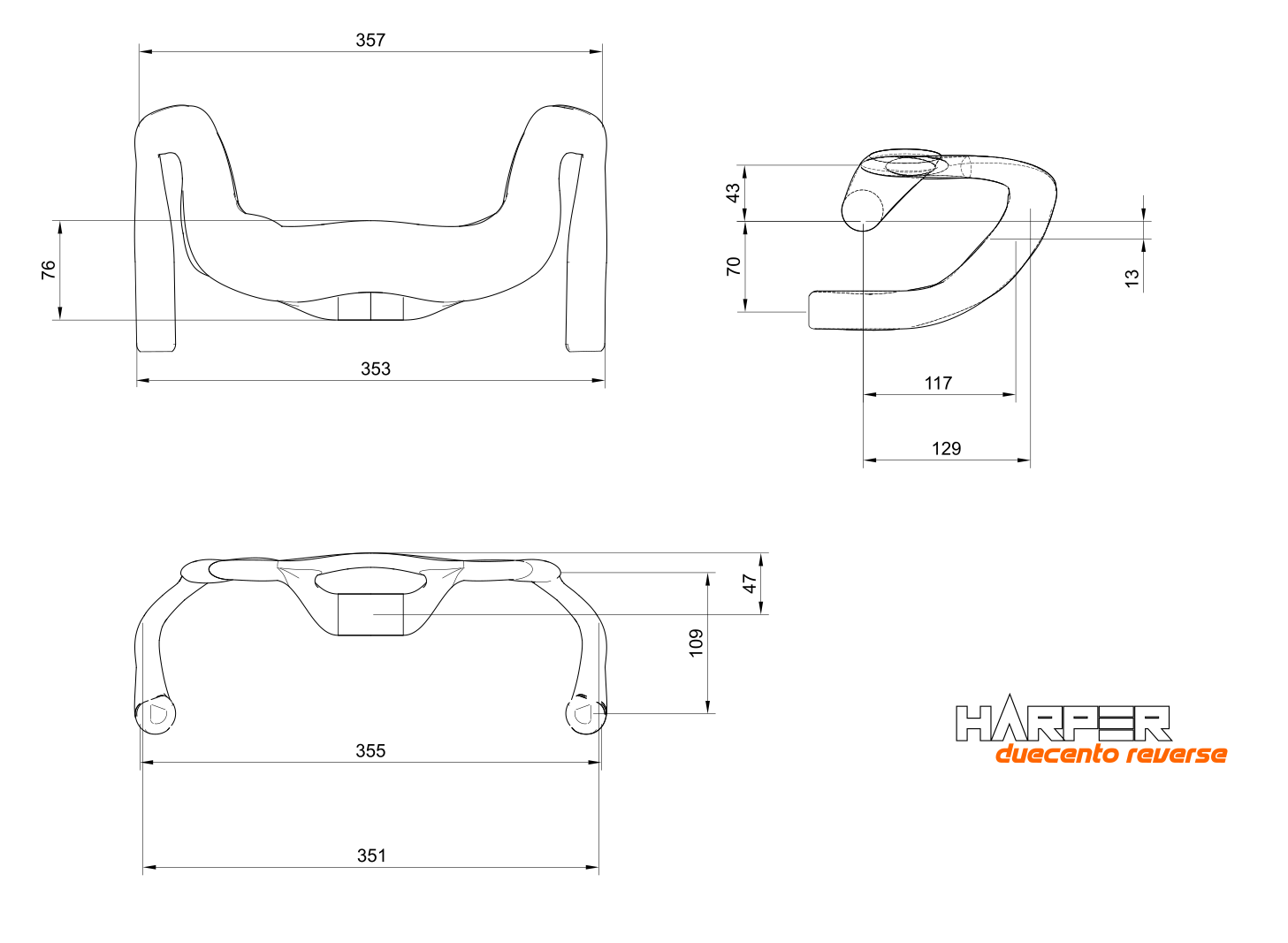
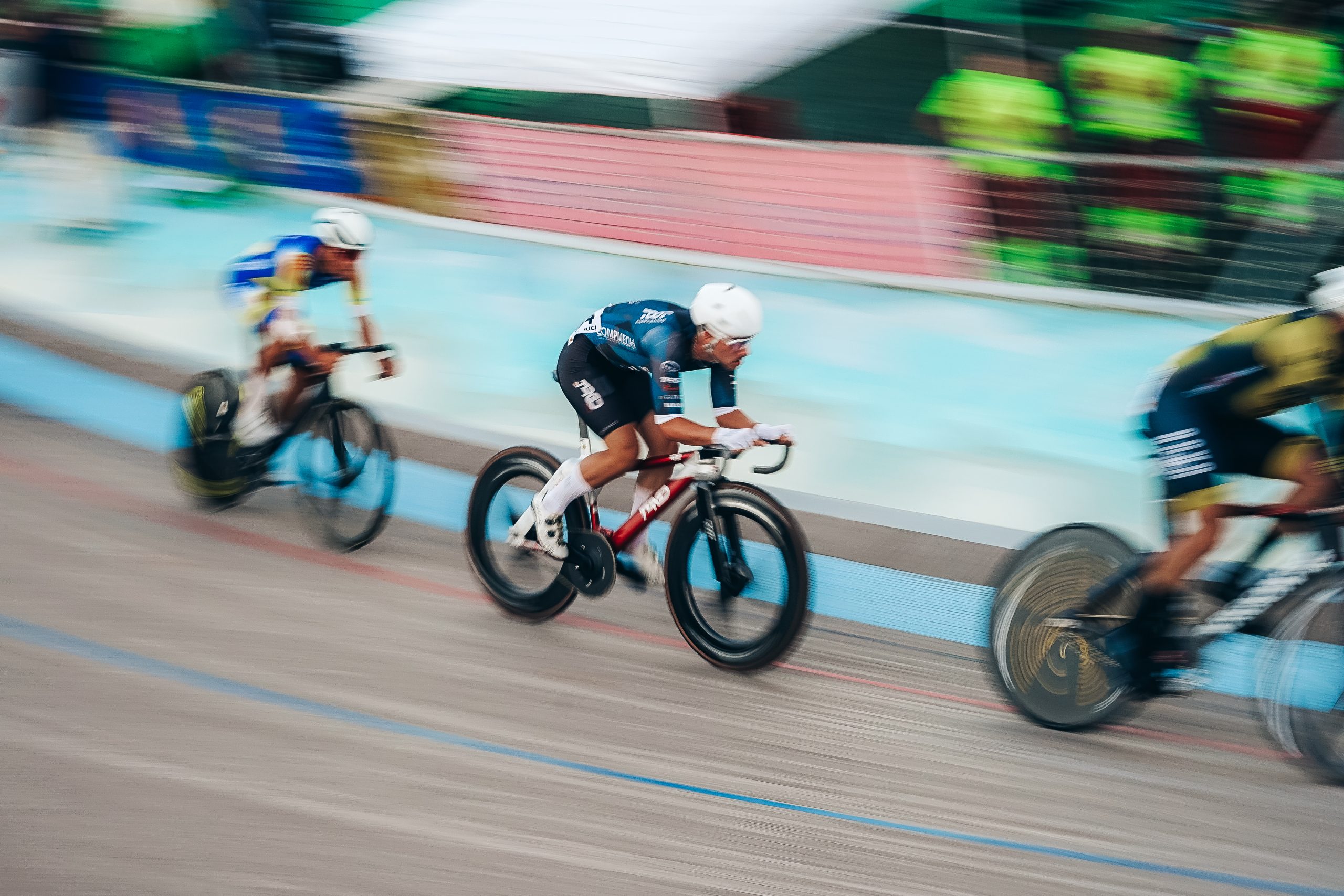
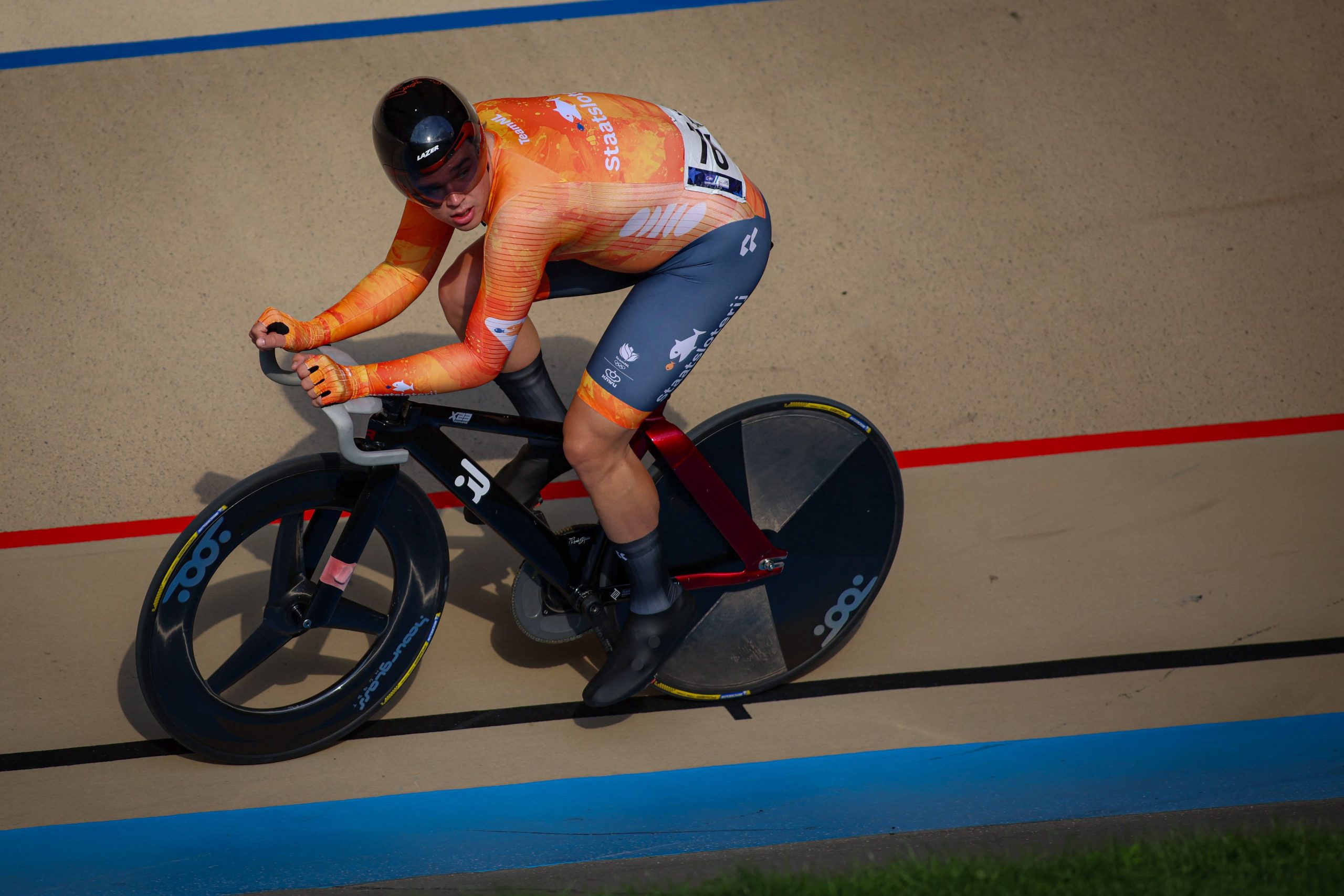
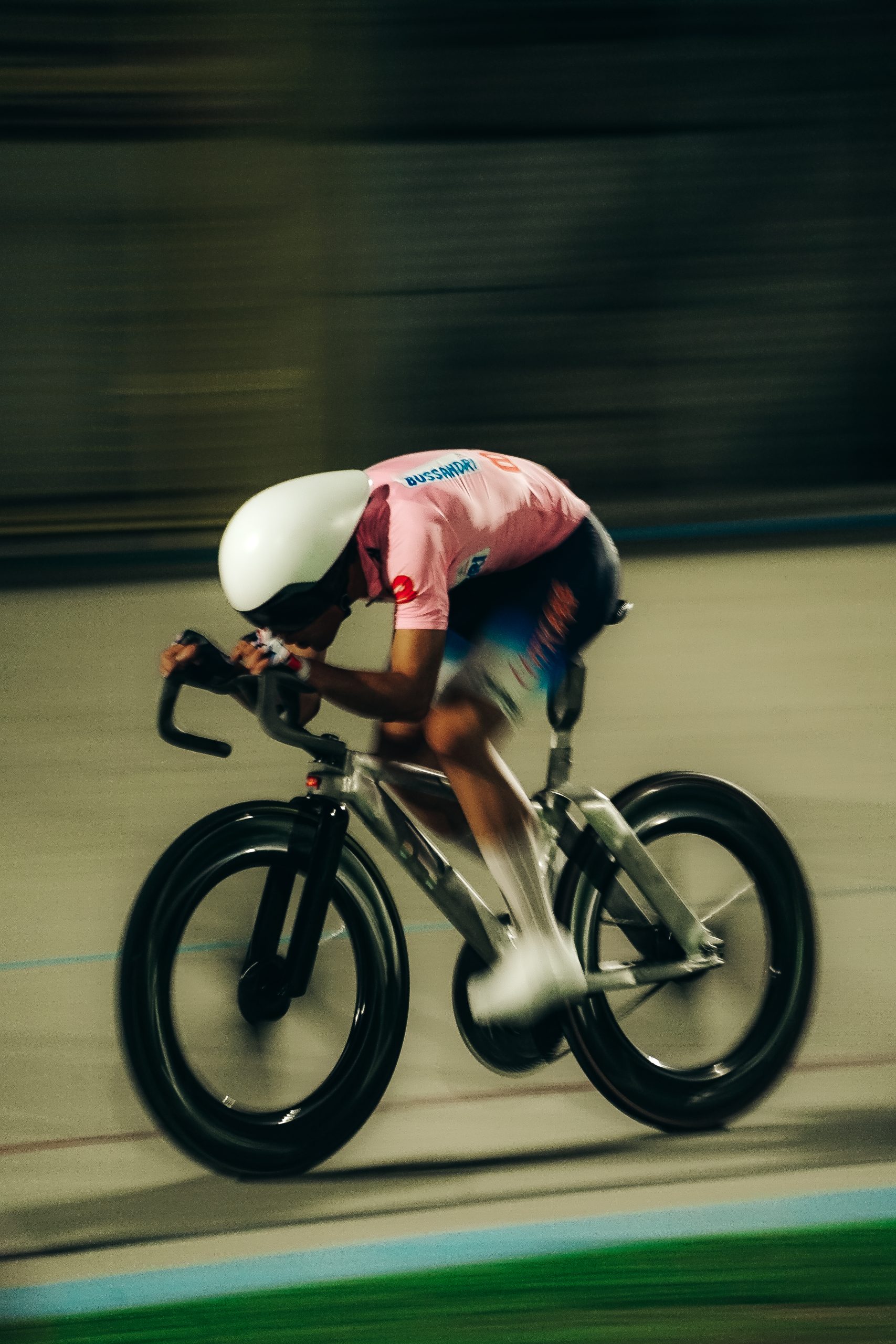
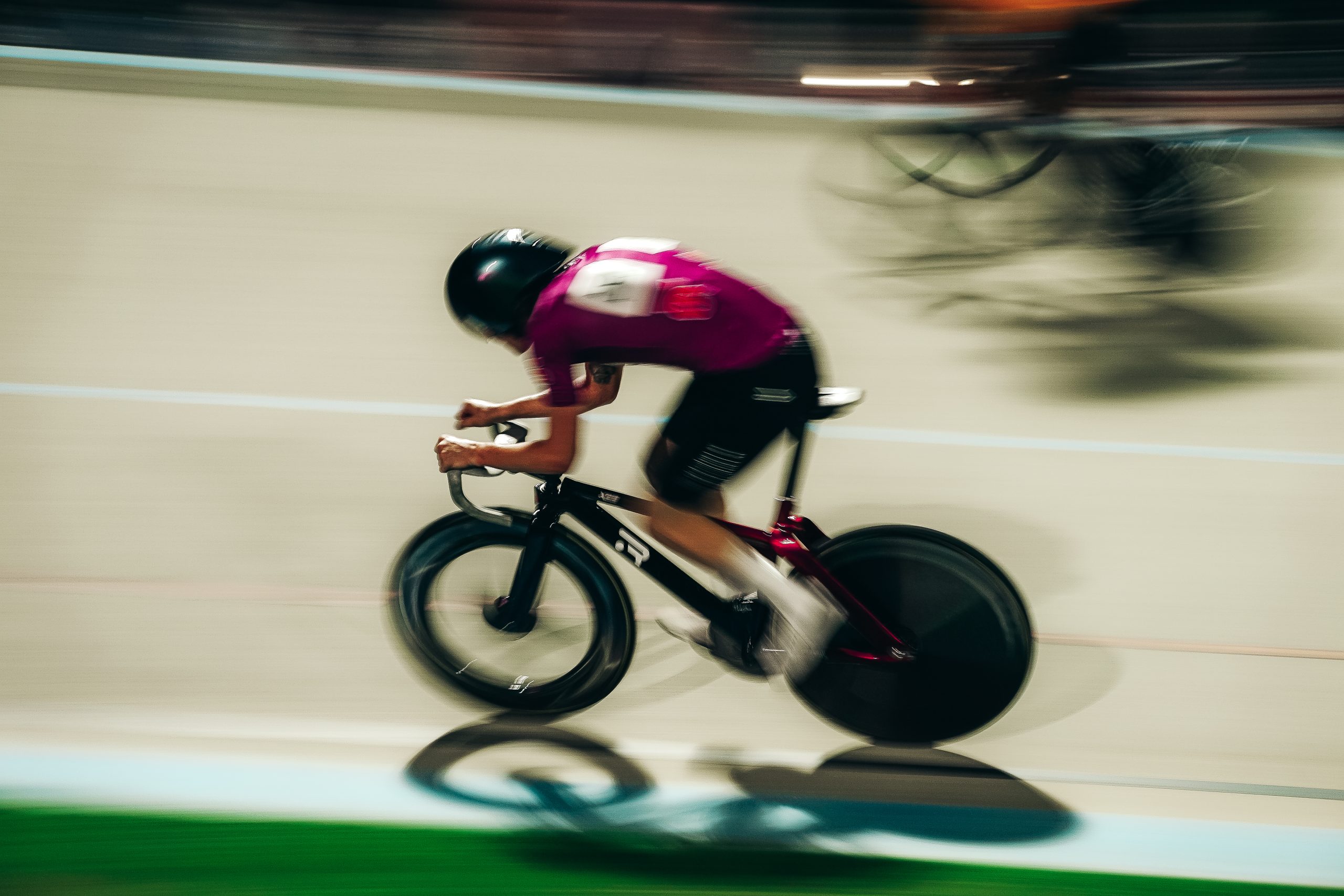
The first track handlebar system UCI compliant 2027
The 2027 regulations introduced dimensional constraints on handlebar width. Where others saw limitations, we saw a question worth answering:
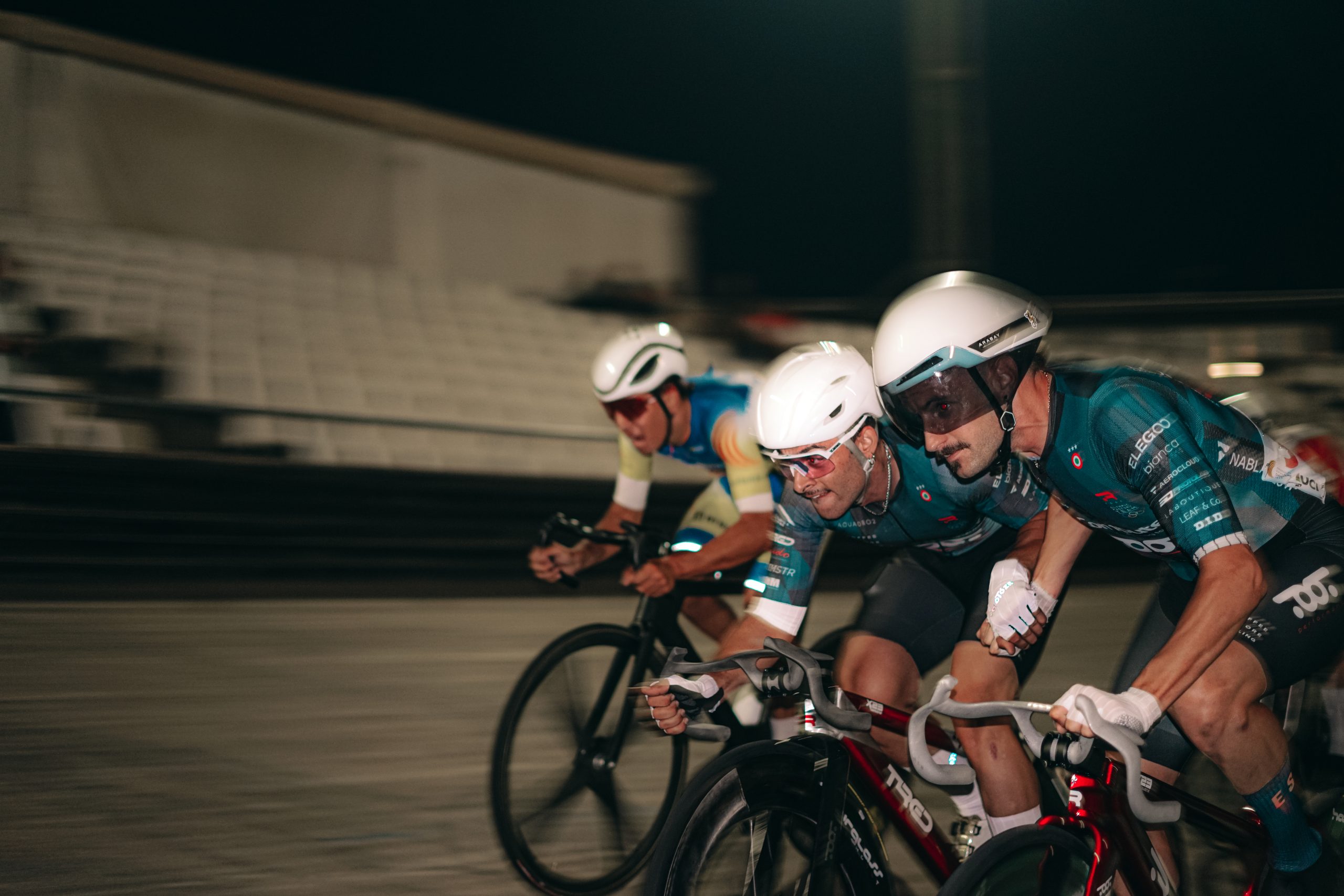
What does a truly safe and performant cockpit look like at 60 km/h in bunch racing?
With dimensional parameters fixed, we could finally isolate what actually matters for control, stability, and rider confidence when positions are aggressive, speeds are extreme, and margins are zero.
HARPER is the answer to that question.
HARPER redefines handlebar design through parametric geometry that adapts to athlete requirements while optimizing stability, control, and aerodynamic position. Patent-pending system eliminates compromise between fit and performance.
Design by TOOT Engineering | Developed with Bianca Advanced Innovations & University of Pavia CompMech Laboratory.
Proven in competition.
Traditional track handlebars force compromise. You choose stack and reach based on stem length and angle, then adapt your position to what the handlebar allows. Wrong order.
2027 regulations introduced width limitations that further constrained design options. Most manufacturers responded by simply narrowing existing geometries. We saw an opportunity.
What if the handlebar adapted to the athlete instead of the other way around?
HARPER's patent-pending parametric system allows continuous adjustment of hand position relative to stem clamping area while maintaining structural integrity and safety without connection bolts and aerodynamic efficiency.
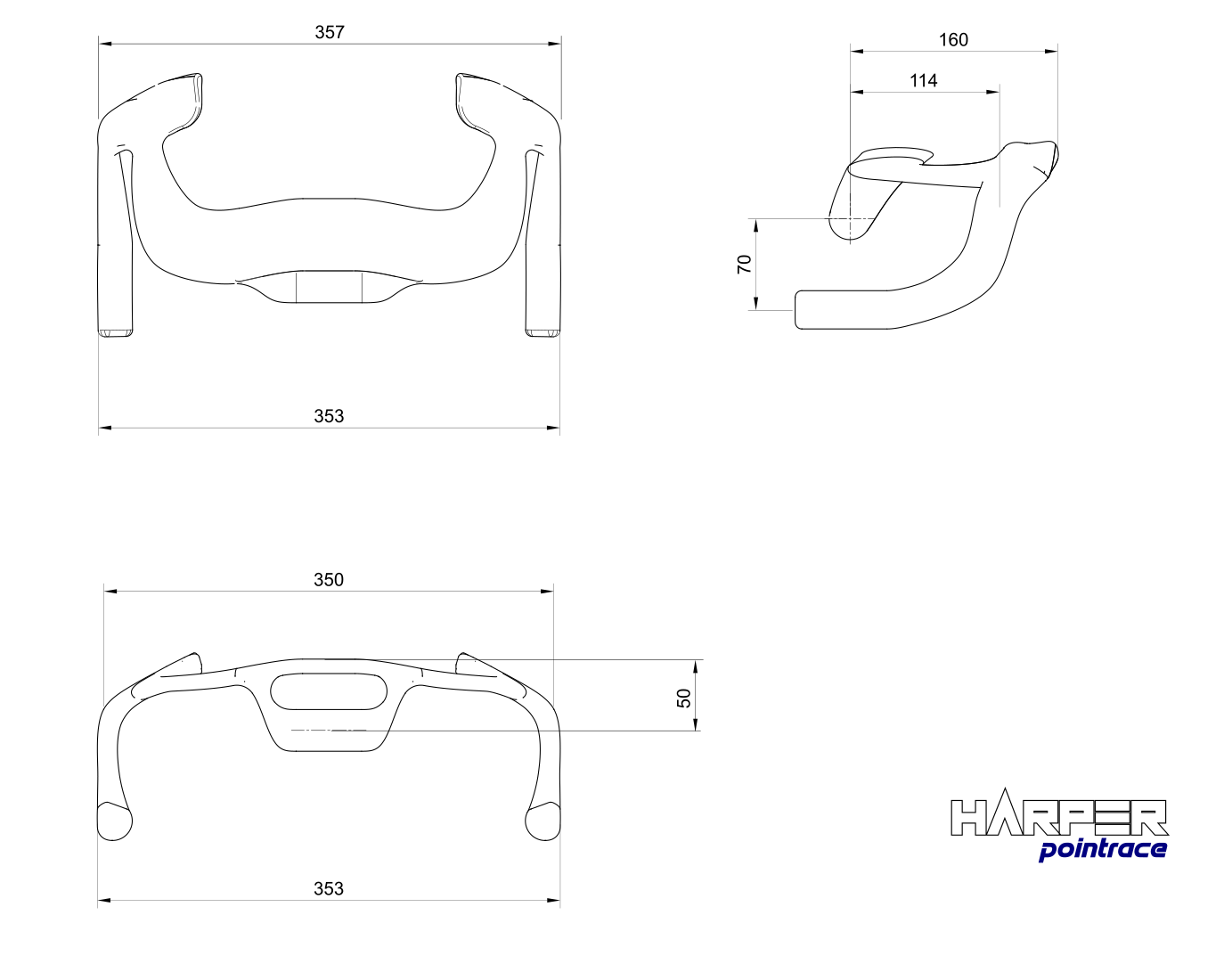
How it works: The BWS design - necessary for madison grip - becomes a parametric element. Distance between upper and lower planes can be optimized per athlete without changing stem size or angle.
Result:
HARPER27 geometry maintains control authority across the entire handlebar following the new rule about the minimum width area of the drop part of the handlebar Â
3D Printed in AlMgScZr aerospace grade alloy in one piece to improve stiffness and safety.Â
Â
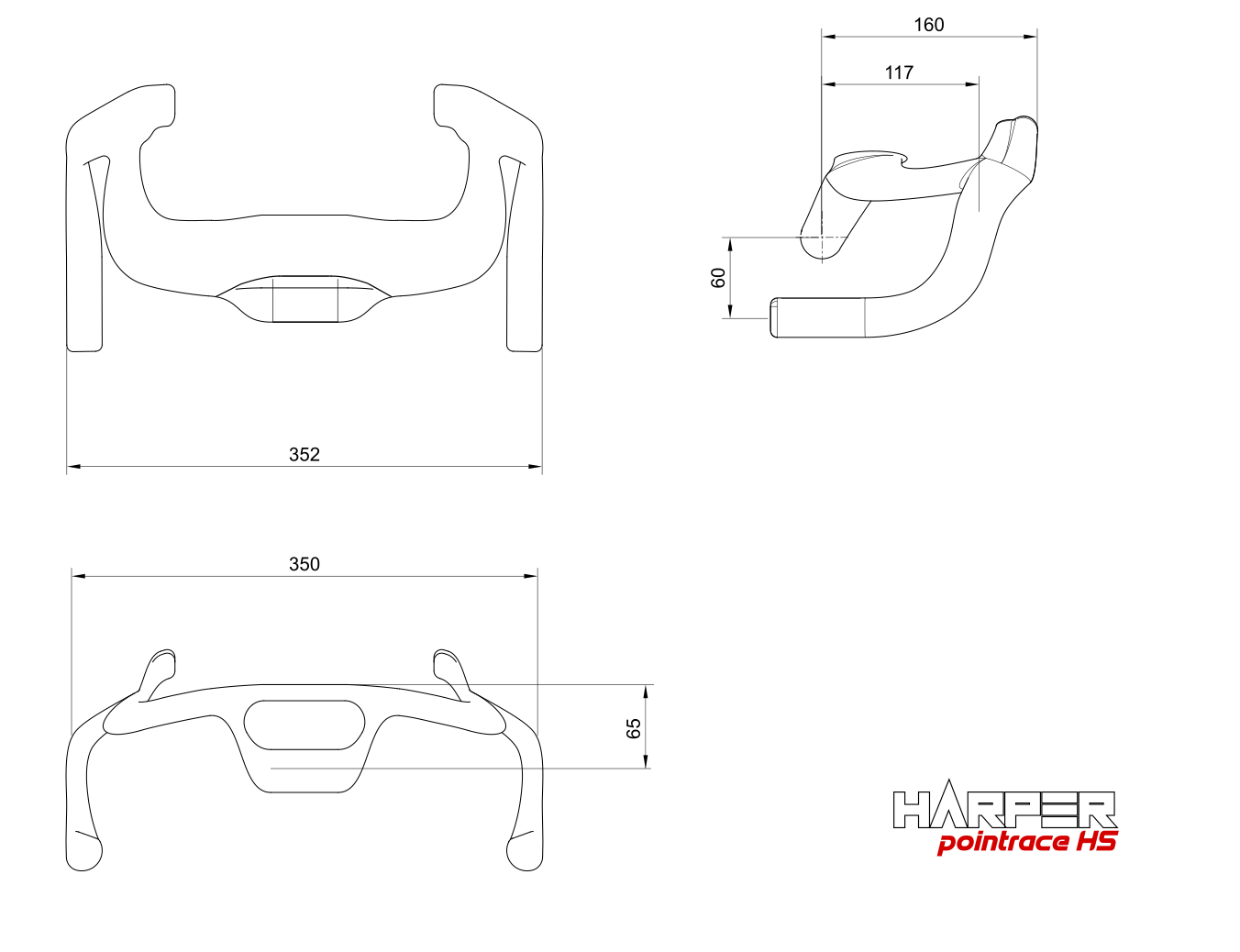
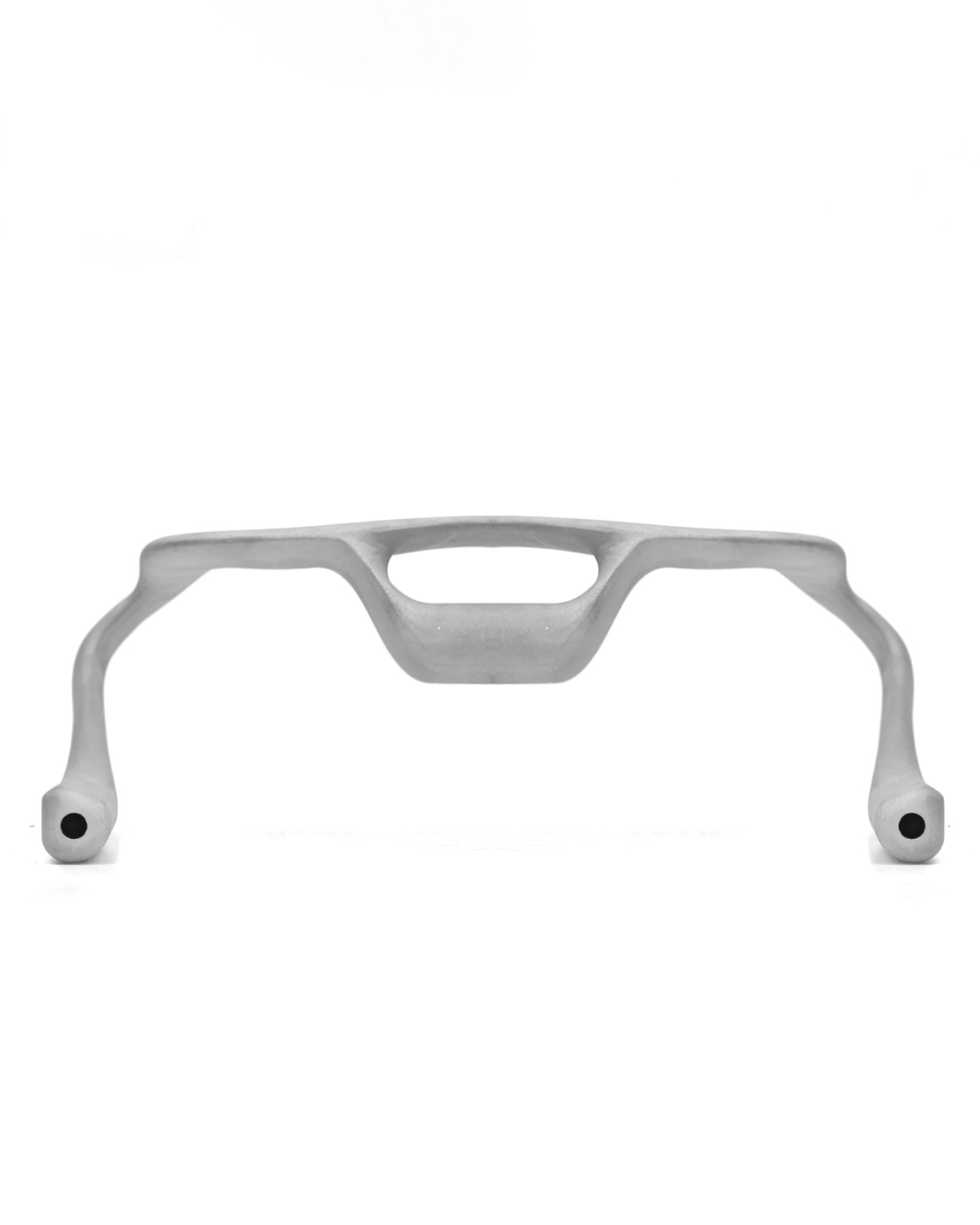
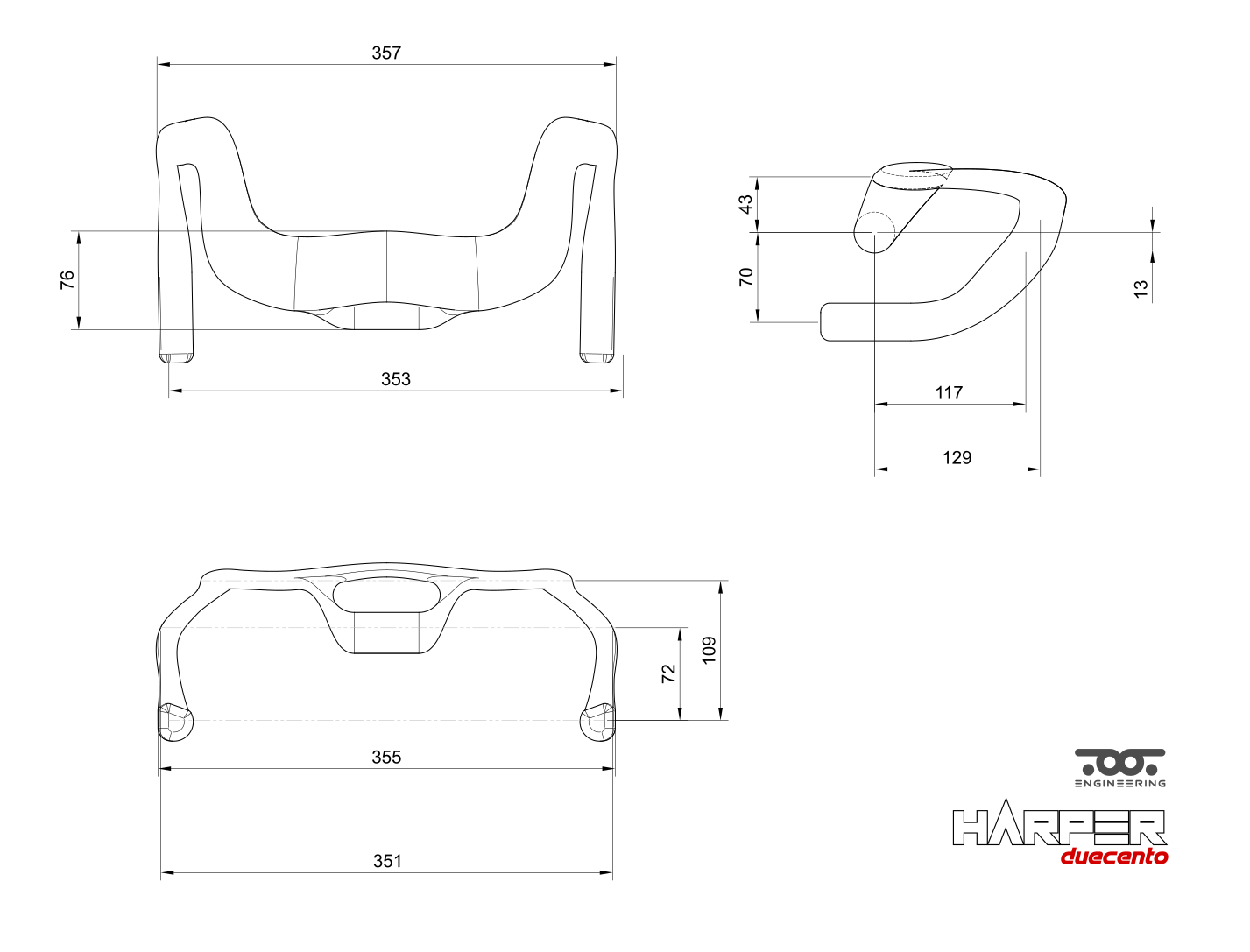
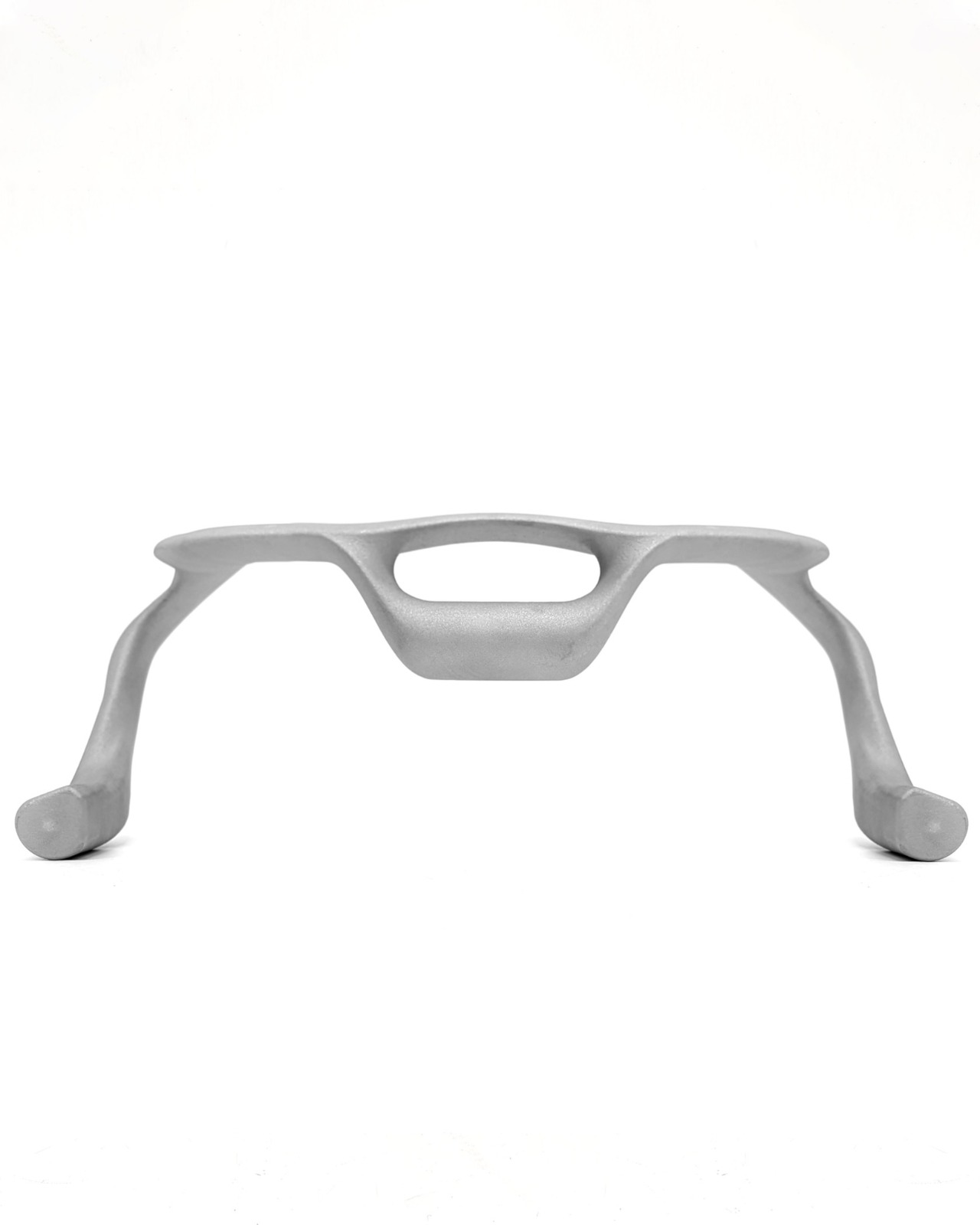
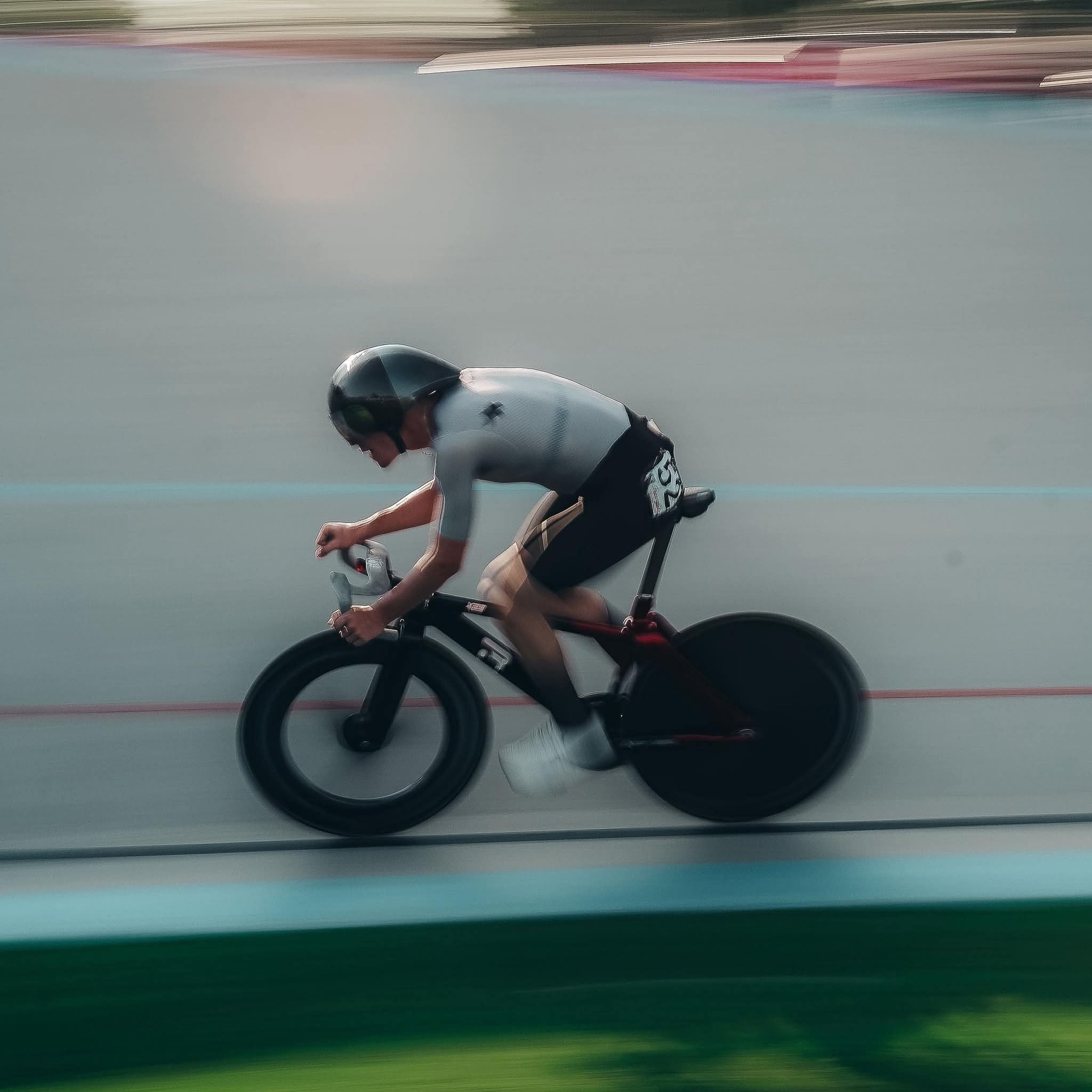
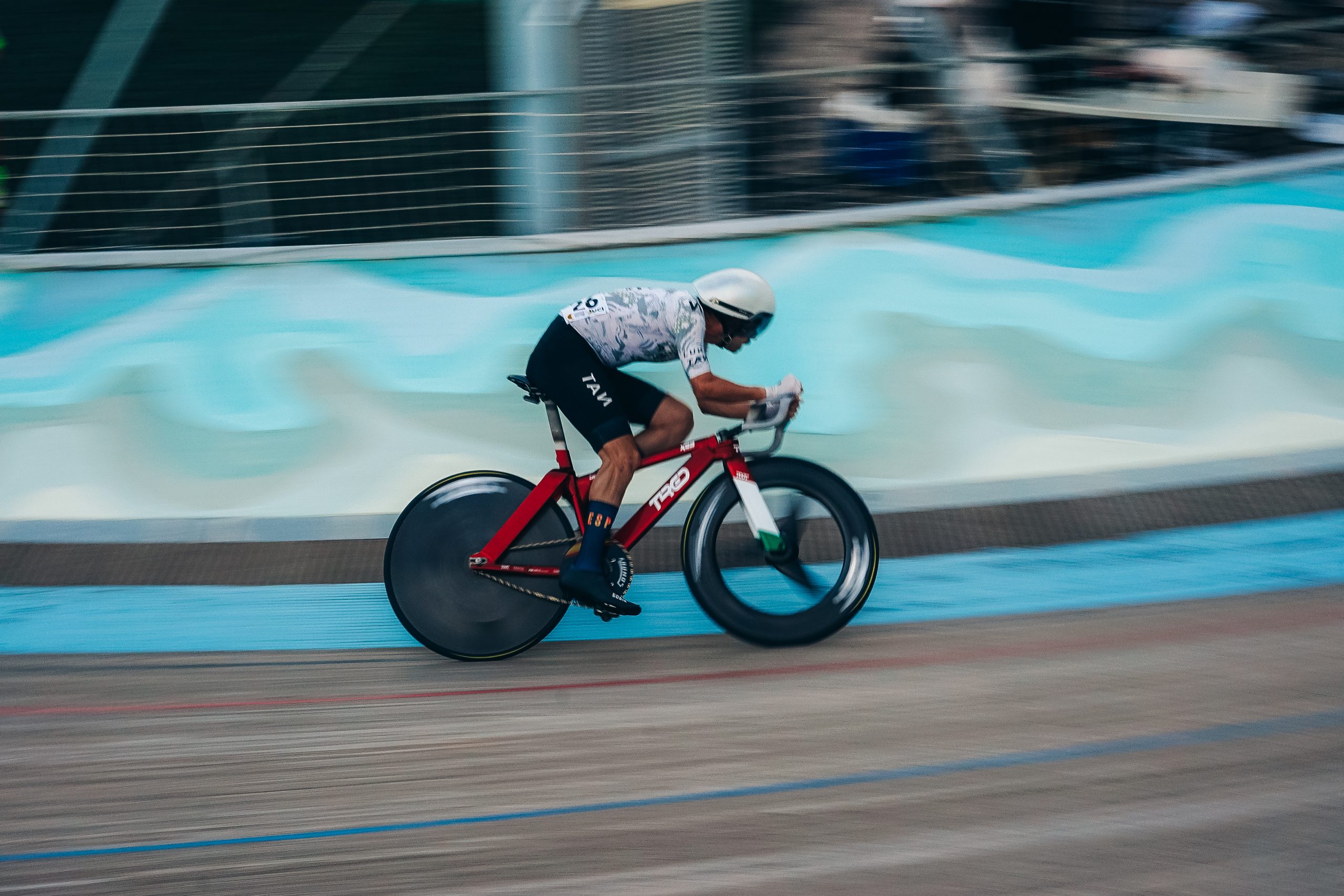
Points race, madison, elimination: hours of changing grips and positions at high speed. The Biplane Wing Structure (BWS®) works on two planes it stiffens the bar and settles its response under load, and it gives the hand a secure platform through madison handsling. Regular stack, for compact athletes already settled on a low position.
The same geometry with the upper plane raised. For taller athletes, for riders who need length without closing the hip angle, and for anyone holding a sustainable position across six days of racing. Stack rises on the handlebar while frame and stem stay where they are.
Above 180 cm it also pays in drag: around 7% less.*
Flying 200, kilo, standing start. The BWS® concentrates stiffness where power arrives all at once and holds the line while the body works above the bike. No threaded connections in the areas carrying sprint loads. Maximum reach within the regulation limits using stems 20-30 mm shorter than traditional sprint bars: more stiffness, more control.
Sprint geometry with reversed grips, for riders who pull from the top and want a more open chest coming out of the banking. Same structure, same compliance, a different way of loading the bar.
The choice for team sprint starters, for standing starts, and for anyone who wants steadier handling in the drops.
Wind tunnel numbers miss the point:
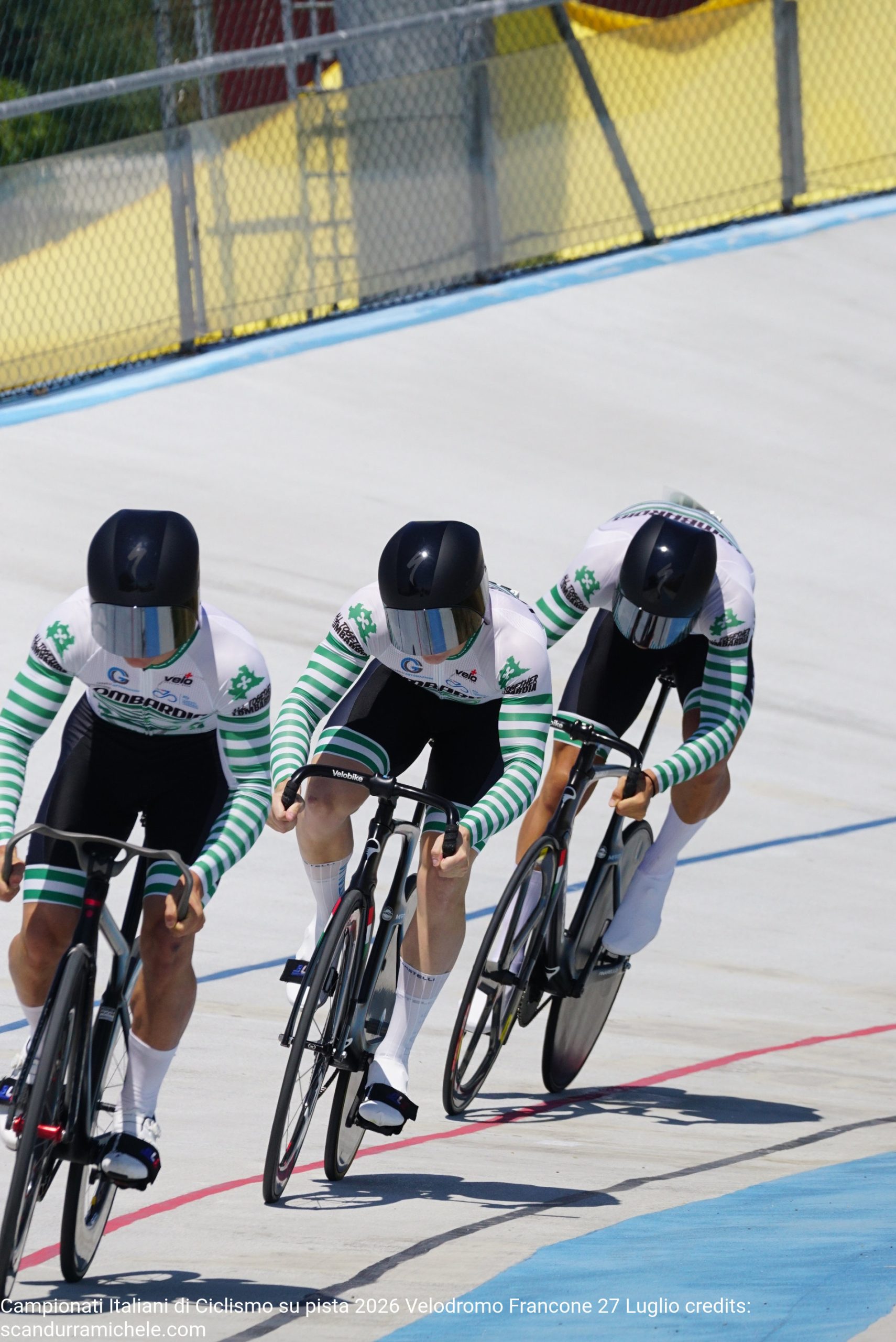
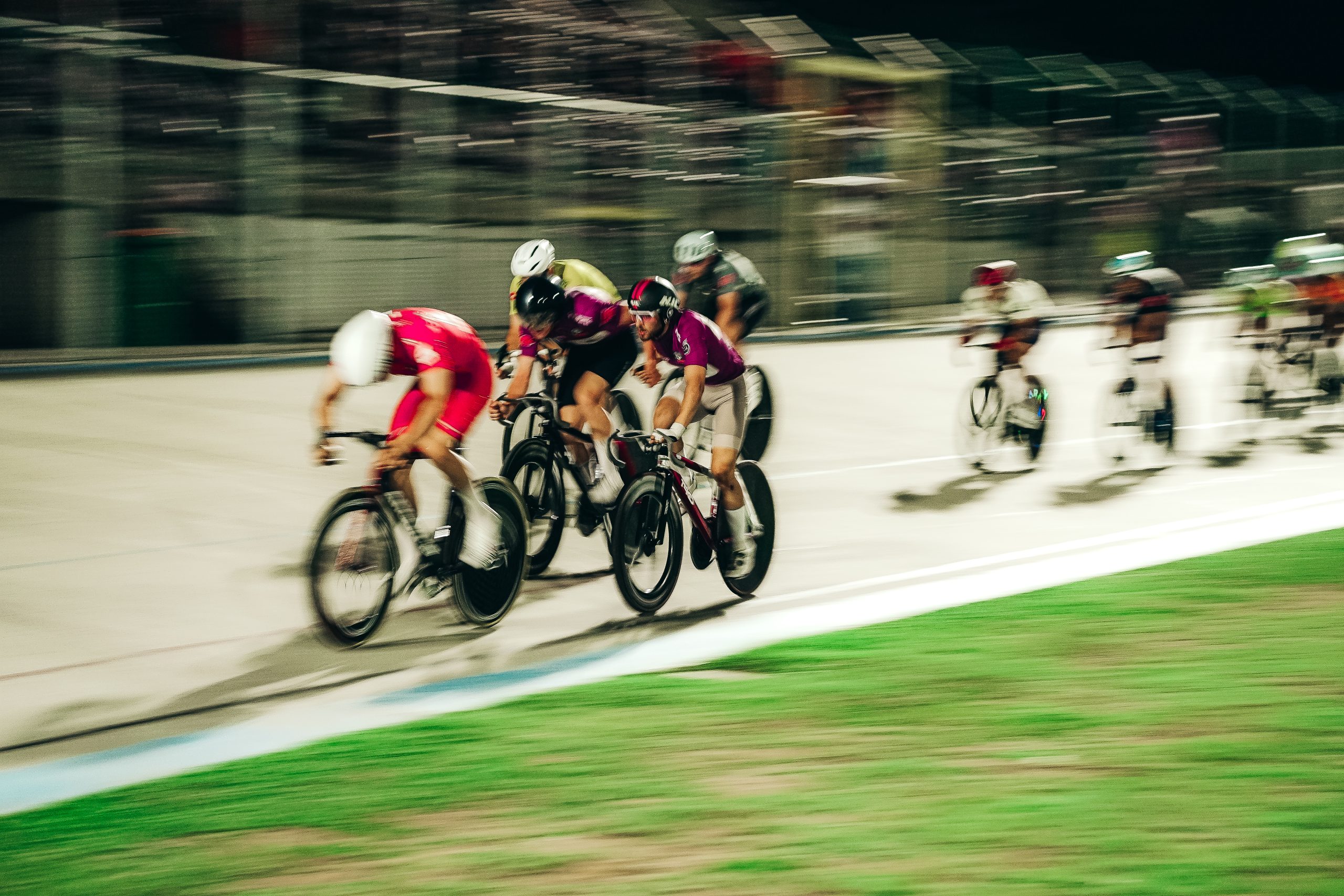
Real races aren't wind tunnels. Real races are 60 km/h in pack, split-second positioning, madison changes while fatigued, sprint launches from chaos.
HARPER optimizes for that reality.
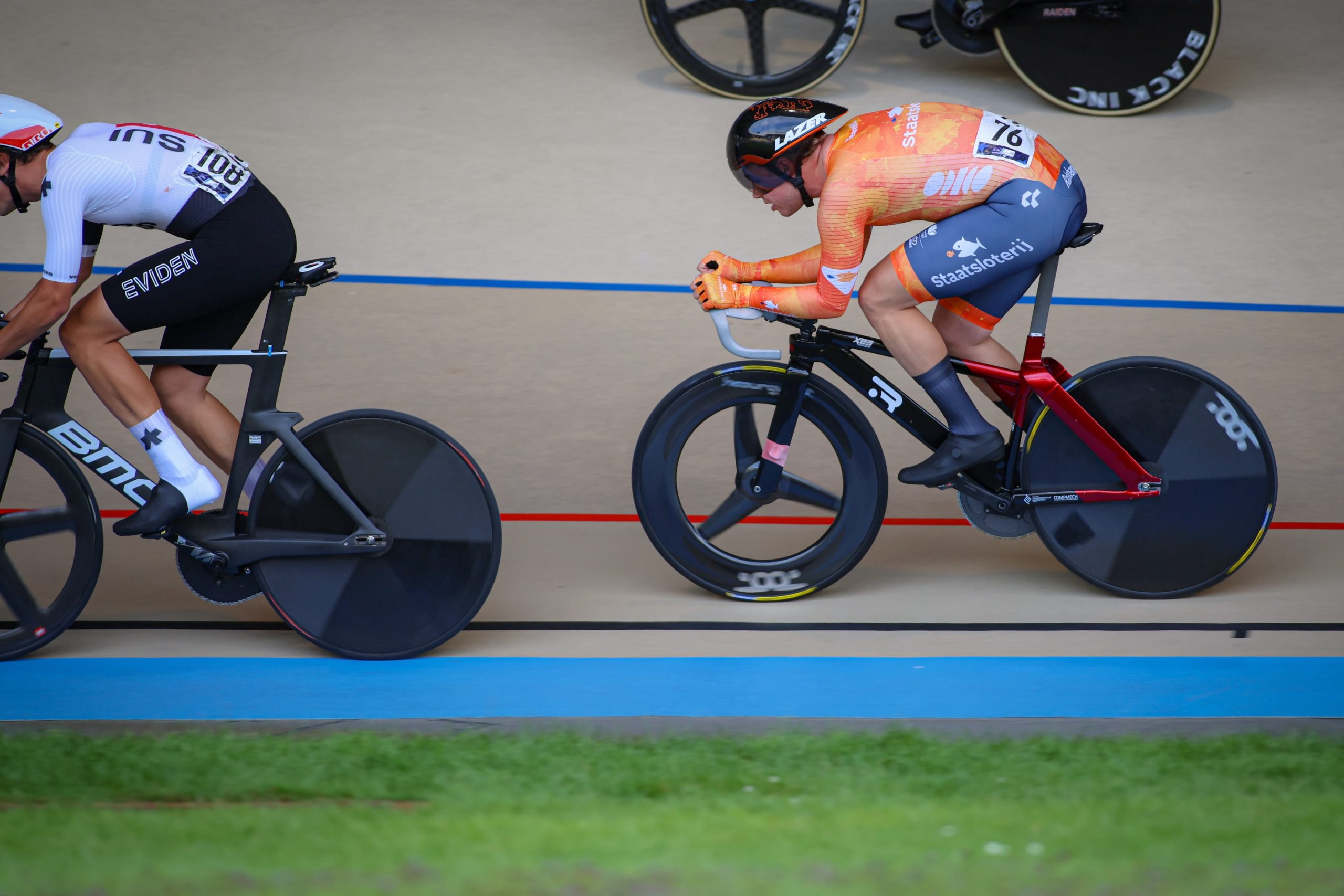
Results speak: Rotterdam Six Day - Justus Willemsen, first race with HIS HARPER, point race winner (2nd overall in GCTC).
Not (only) because of CdA numbers. Because he had the position, control, and confidence to execute when it mattered.
That's the only aerodynamic data that counts.

Your position decides how much of your power reaches the track, and how much goes into holding the bike still. HARPER puts the handlebar where your body is strongest, with the control to use it at 60 km/h in a bunch. The aerodynamics arrive on their own.